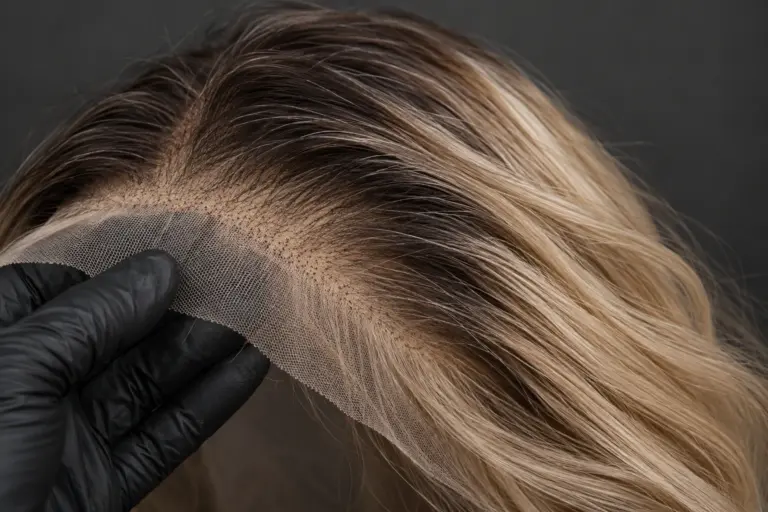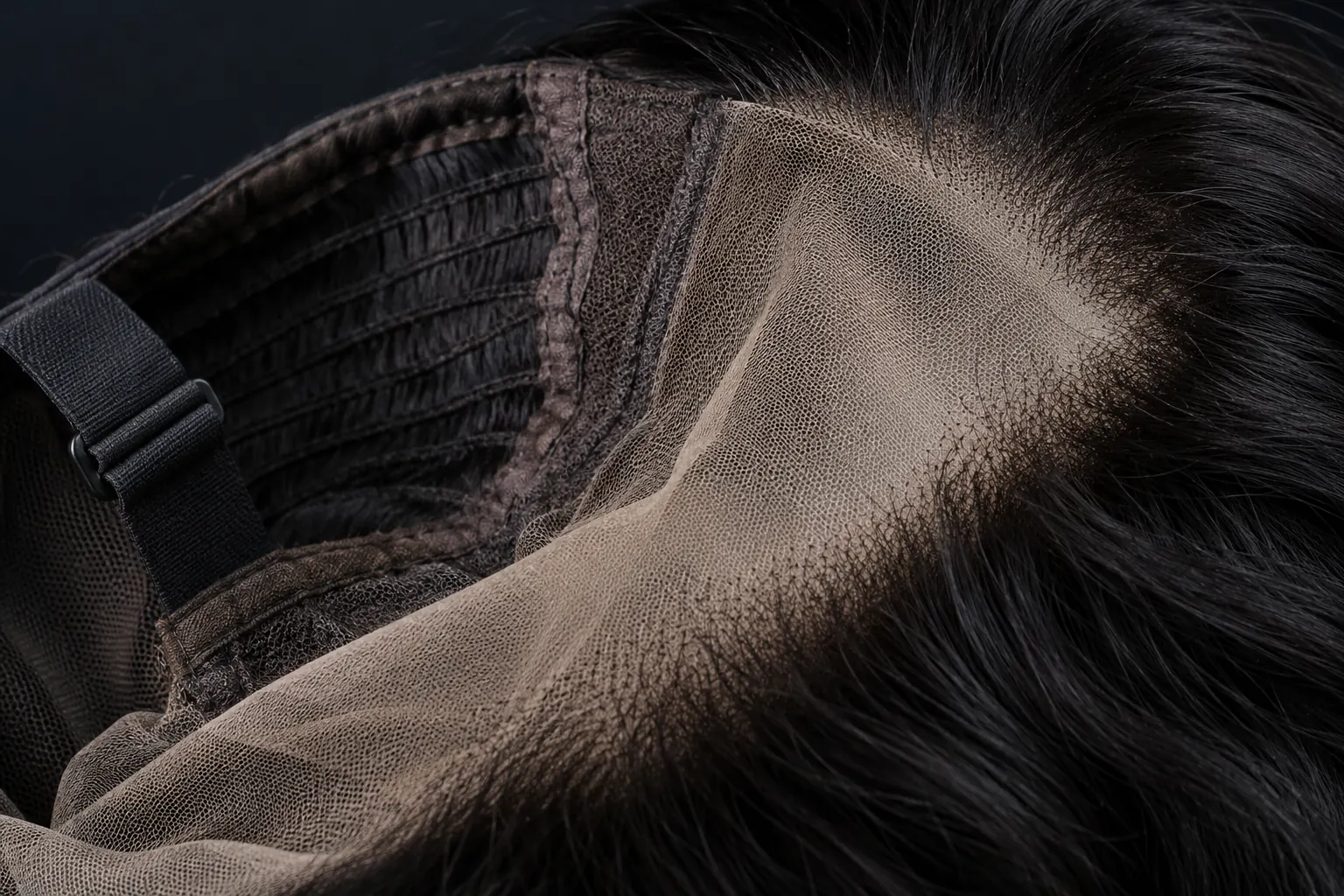
If your buyer needs a familiar color and construction, start by asking which finished configurations are available for the quantity and date you need. If the sale depends on a particular root, highlight placement, lace, fit or finish, start with a custom brief. Neither route is a shortcut around checking the exact unit you intend to sell.
NUSFACE supplies commonly requested human hair wig styles and can also make wigs to a confirmed brief. An available style is an order-specific answer, not a promise that every combination of color, length, texture and lace is ready to dispatch. Custom work has a different clock: after the color brief and payment are confirmed, a custom order typically takes 3–7 days to prepare for dispatch. Transit comes after that.
Let the buyer’s non-negotiables choose the route
Suppose a salon needs a natural black unit for an appointment and can accept a choice of lace sizes. It is useful to check available configurations first. A seller who has promised a precise cool root, face-framing ribbons and a particular parting has less room to substitute. That brief belongs in a custom discussion even if a photograph in the catalog looks close.
The deciding question is not whether a style is called “standard.” It is whether the available unit matches what the customer will inspect. Write down the few details that cannot change: color from root to ends, length, texture, lace construction, density, cap or fit requirements, and quantity. If a different shade or lace would change the listing, the salon consultation or the wearer’s fit, treat it as a different configuration.
An available unit can still need a sample. A custom unit can still be ordered in a small quantity. NUSFACE’s minimum order is one piece, but that does not turn every configuration into an available item or make a sample approval automatic for a later order.
What “available” needs to mean before you quote your customer
Ask the supplier to confirm the configuration and quantity in writing for this order. A color name by itself is too loose. For example, “613 blonde” says little about the lace, length, texture or whether the tone in a current photograph matches the unit being offered. Likewise, a finished balayage reference shows a color direction; it does not establish that the exact pictured configuration is on hand.
Check the actual dispatch estimate separately from delivery. If the unit is available but needs a final check or packing, its readiness still needs confirmation. Do not place a firm customer deadline against an unconfirmed stock label. For an international order, destination and shipping method also affect arrival; a dispatch date and an arrival date are different promises.
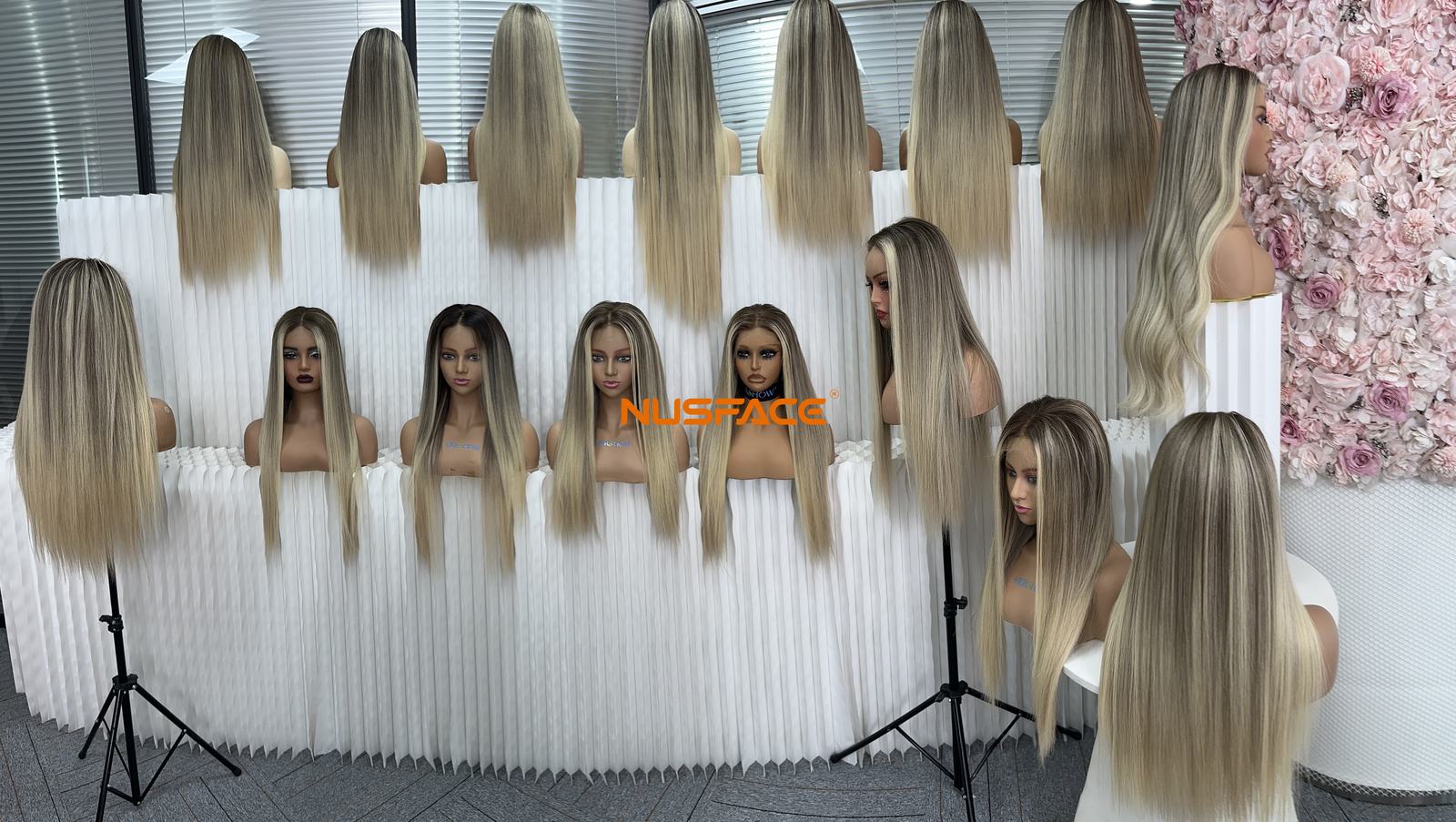
For a wholesale range, ask for photographs of the offered configuration rather than borrowing a similar image for a listing. A front view can hide the parting and cap details. A top or parting view, side view and view of the ends make it easier to check whether the product description and the proposed unit agree. Use the supplier’s confirmed description in your own customer-facing offer.
When a custom brief is the safer buying decision
Use a brief when the customer is buying a specific look or fit that an available configuration has not matched. The brief should identify the reference image’s useful features, not simply attach a photograph and say “same.” Mark the root tone and depth, where lighter pieces begin, the amount of contrast at the face, and the intended result at the ends. Add length, texture, lace, density, quantity and any styling or fit requests that matter to the sale.
Some requirements can be handled by choosing among existing options; others need a confirmed custom scope and quote. Do not assume a reference image proves an exact dye formula or that a change in one specification leaves price and preparation time unchanged. Ask for a written brief, quotation and dispatch estimate for the combined configuration.
NUSFACE’s hand-painted balayage wigs are a featured custom color direction. The wider human hair wig range includes examples such as 1B, 613 and brown, as well as highlighted and ombré looks. Those names describe supply scope, not a universal inventory list. The business team can tell you which mainstream configurations are currently available and which request needs custom production.
A useful first-order sequence
Start with the buyer’s actual requirement and deadline, then compare it with what can be confirmed now. If an available configuration meets the non-negotiables, request its current photos, written specifications, quantity, quote and dispatch estimate. If a visible or fit-related detail remains unresolved, brief a custom version before you price or promise it to your customer.
For a first order, keep the approved specifications and images with the order. They give you a clear comparison point when the unit arrives and when you reorder. Our sample-check guide explains what to inspect on a hand-painted color sample; the reorder guide covers what to retain from an approved unit. If you need to translate a customer’s image into workable color instructions, see the custom color brief guide.
Send the business team your required configuration, quantity, destination and target date through the contact form. They can confirm the available options or quote the custom brief before you commit to your buyer.