
Single Drawn vs Double Drawn Hair: What Changes in a Wig?
Drawing describes strand-length distribution. Learn how to separate that label from wig density, material claims and the cut of the finished piece.
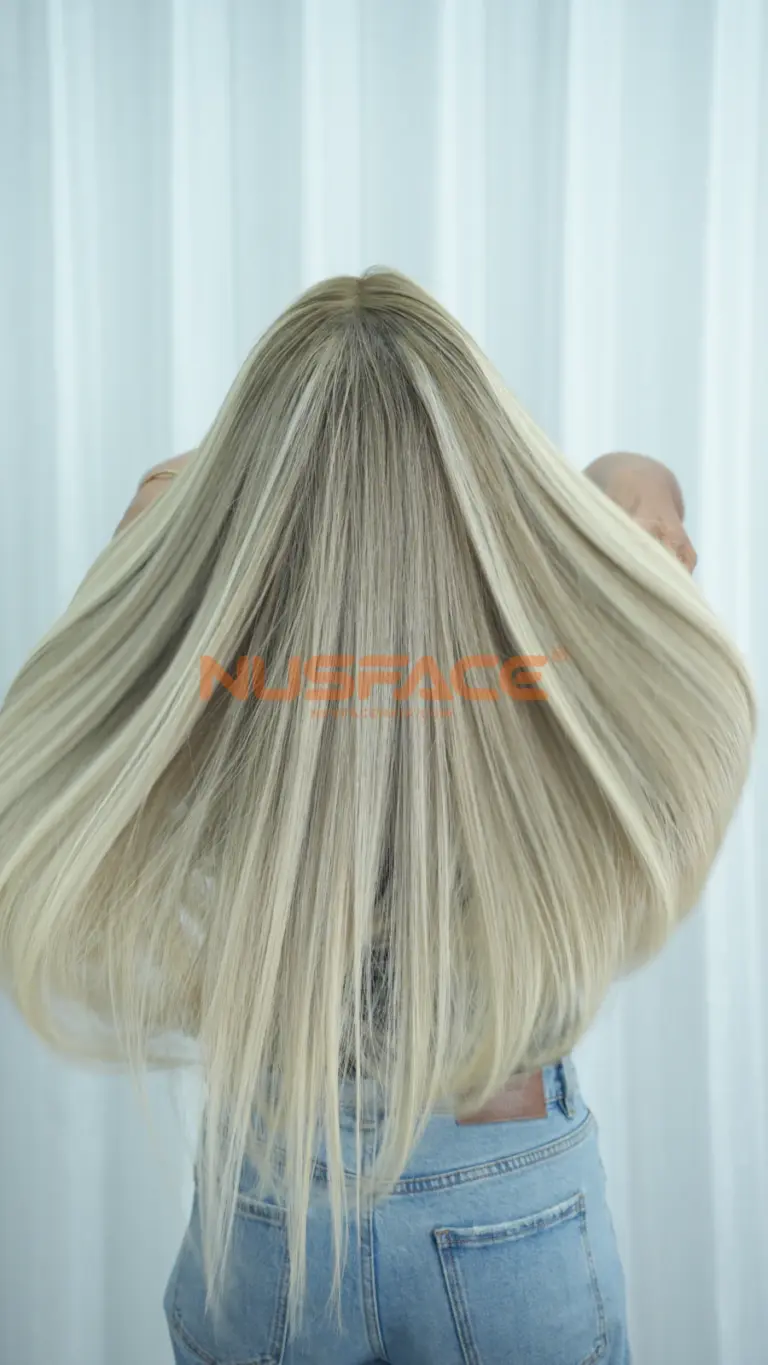
Drawing describes strand-length distribution. Learn how to separate that label from wig density, material claims and the cut of the finished piece.
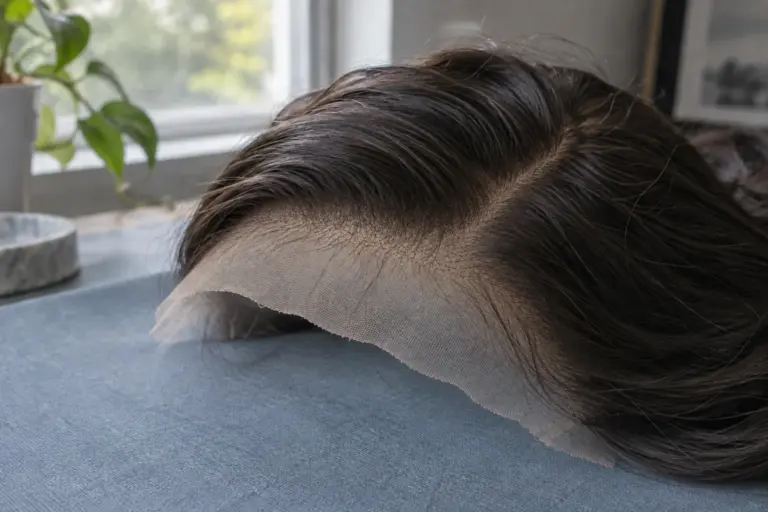
Pre-plucking softens a wig’s hairline; knot bleaching reduces visible dark attachment points. Compare the two finishes before confirming your lace-front wig order.
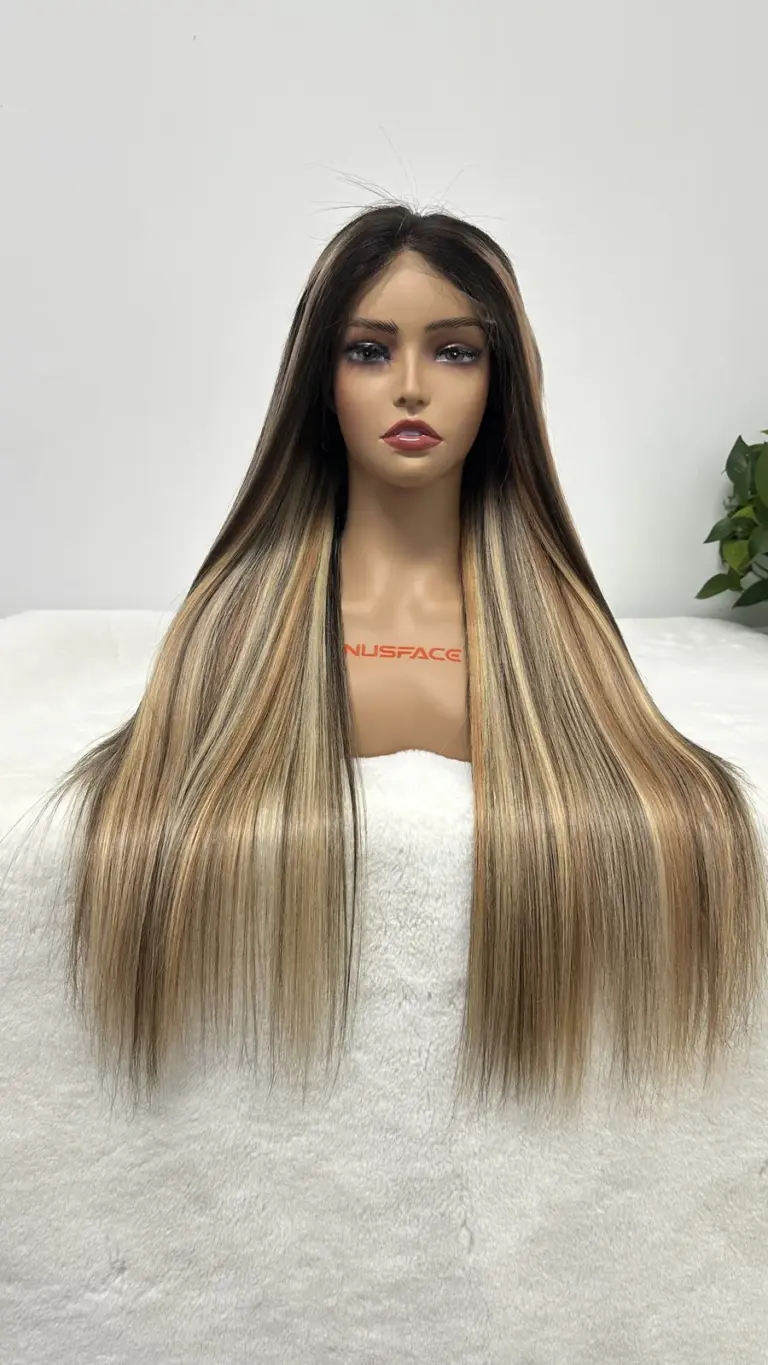
A useful fiber comparison starts with the customer’s routine: how much restyling they want, what the piece needs after washing and which care work the offer includes.
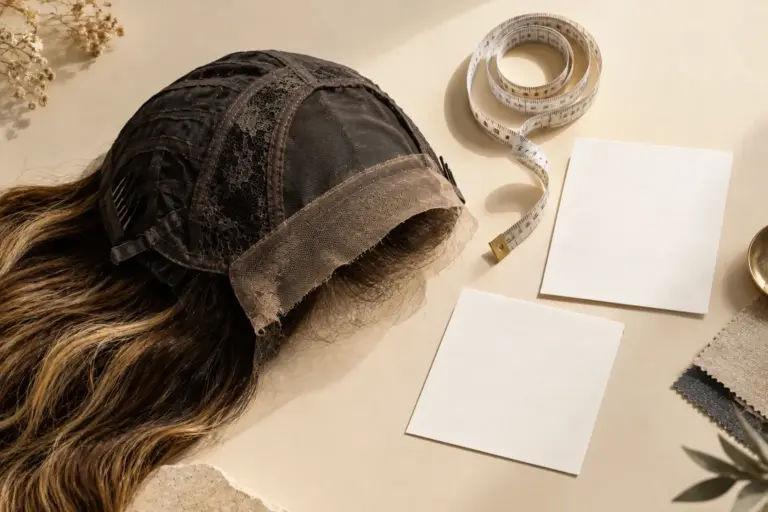
Prepare the hair, take three distinct measurements and compare the full set with the chart for the cap you are ordering.
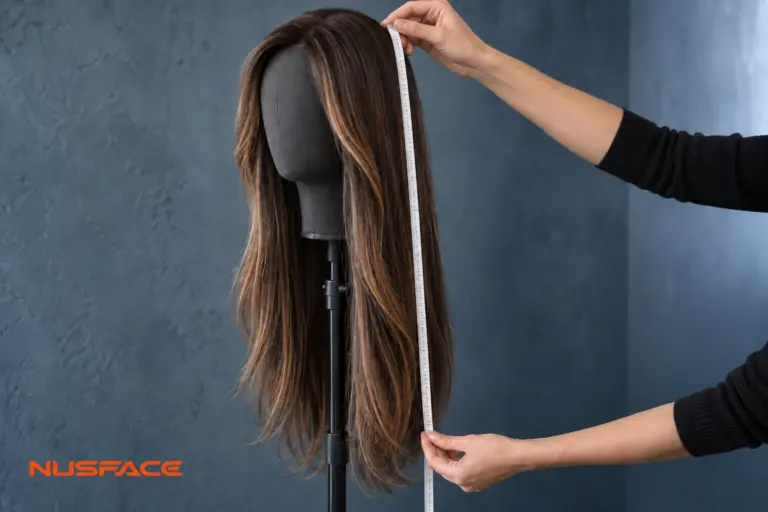
A wig’s measured length and its styled fall are different details. Learn how to check both, with two NUSFACE references photographed at 24 inches.
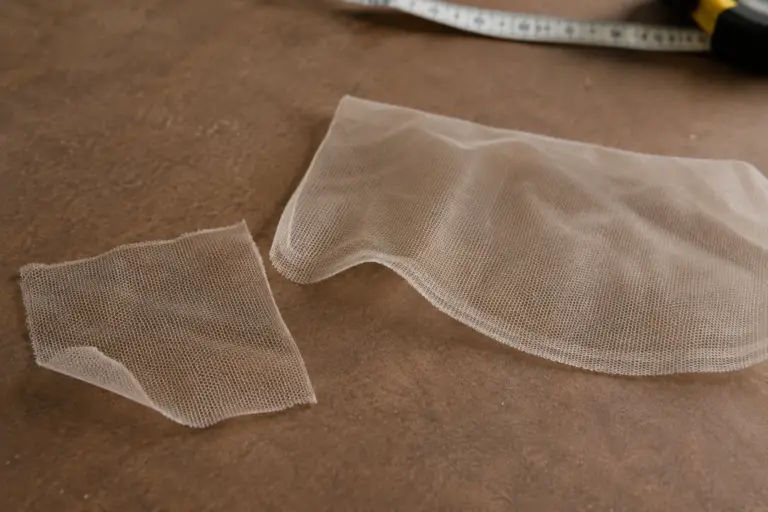
Compare 5×5 closure and 13×4 frontal lace for a balayage wig order. Check parting, exposed hairline and color placement before choosing your sample.

Buying a 180% density balayage wig? Check length, texture, lace, parting and finished ends before ordering a sample. Includes a practical inquiry brief.
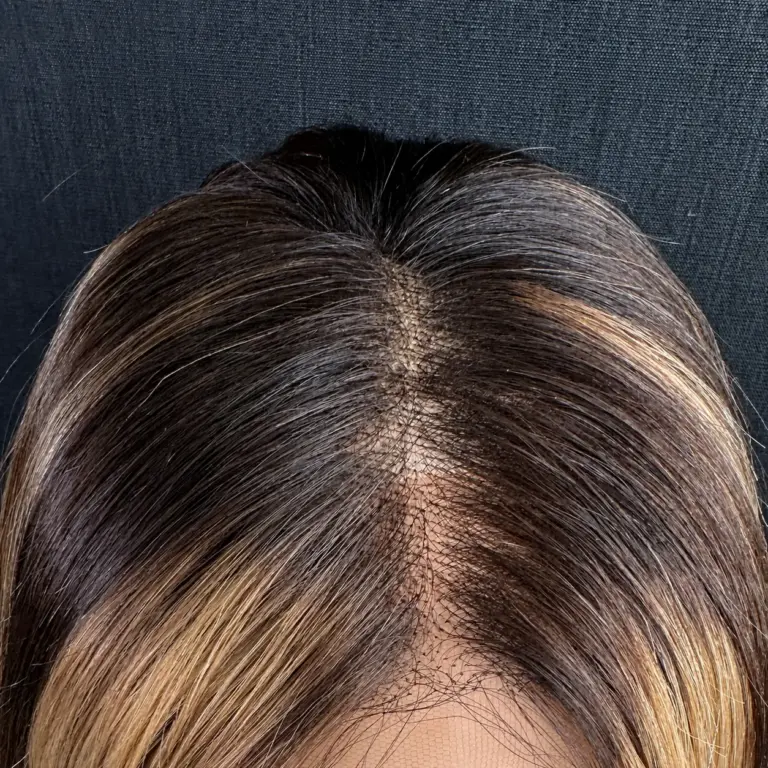
Compare lace visibility and handling, then separate the lace material from 5×5, 13×4 and other coverage specifications.
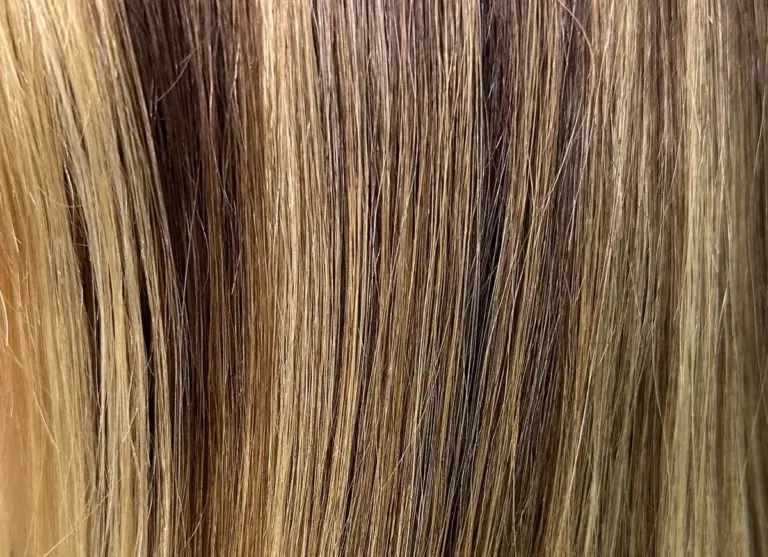
Why raw, virgin and Remy describe different parts of a wig specification, and what a B2B buyer should verify in a paid sample.