In this guide
- Rooted blonde is a result family, not one fixed color
- Separate the root term from the root measurement
- Define the root tone beside the blonde tone
- Write a placement map, not a mood board
- Check what happens at the parting and lace
- Approve the sample from the views you will need for a reorder
- A twelve-line rooted blonde sourcing brief
- Can I change the root without changing the blonde?
- Frequently asked buyer questions
- Send a rooted blonde brief the factory can answer
- Professional color references used for this guide
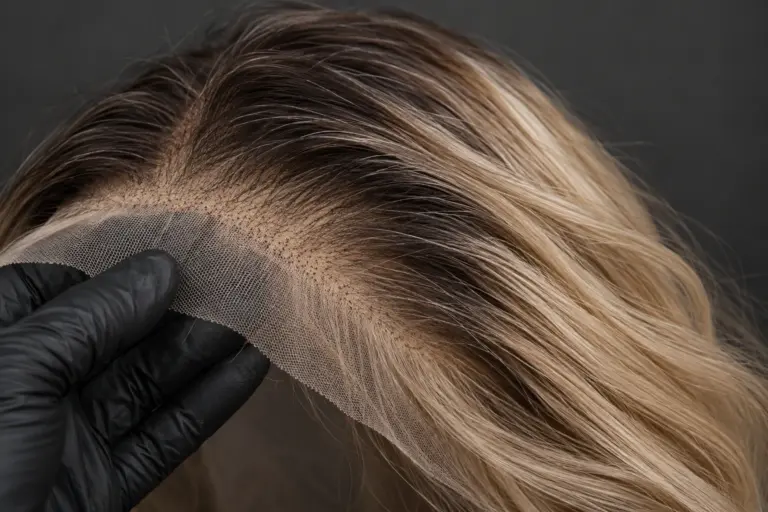
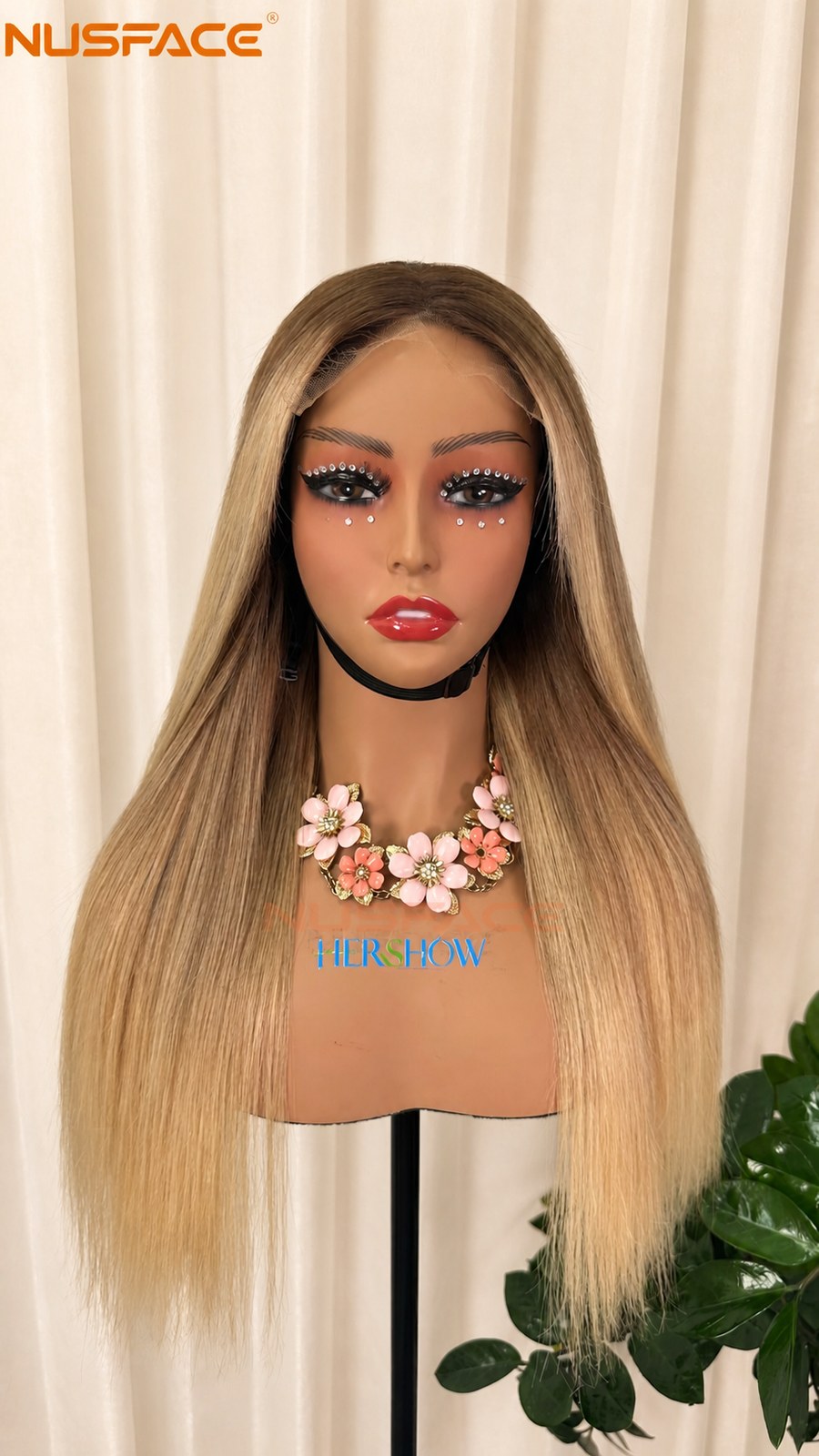
A rooted blonde wig has a darker-looking root with blonde through the lengths. That darker area may be a narrow shadow near the parting or a longer blend into the hair. Neither is automatically more natural: the contrast and the way the two colors meet determine how noticeable the root looks.
If you worry that a dark root will look like a hard band, focus on the transition rather than simply choosing a lighter brown. A softer blend can keep the depth you like while making the change into blonde less abrupt. The sections below show how to separate these choices before sampling.
Rooted blonde is a result family, not one fixed color
Searchers use rooted blonde for several visual directions: dark roots with platinum lengths, a brown root with ash blonde, a honey blonde blend, a high-contrast black root or a softer shadowed root. The same label can also sit beside balayage, highlights, ombre or a money piece.
This is why a supplier cannot reliably reproduce a reference from dark rooted blonde wig alone. The useful specification is the relationship between four zones: root, transition, blonde placement and ends.
| Decision | What to write in the brief | What to verify on the paid sample |
|---|---|---|
| Root depth | Where the deeper color starts and ends at the part, hairline, sides and back | The root does not look unexpectedly short, blocky or stretched |
| Root tone | Cool, neutral or warm direction, supported by an approved reference | The root works with the blonde in daylight and ordinary indoor light |
| Transition | Soft shadow, longer melt or a more visible contrast line | No unwanted band where the root meets the lighter area |
| Blonde family | Ash, beige, platinum, honey, caramel or another agreed direction | Mid-lengths and ends stay in the approved tone family |
| Placement | Balayage ribbons, repeated highlights, ombre gradient and any face frame | Front, parting, sides and back follow the same approved map |
| Construction | Hair material, length, lace, density, cap and parting requirements | Color placement still works when the unit is parted and worn |
| Evidence | Required front, parting, side, back and close-up photos or video | The supplier records the views needed for reorder comparison |
| Order context | Paid sample or reorder, quantity, packaging, destination and deadline | The quotation matches the written scope |
Separate the root term from the root measurement
Rooted blonde, shadow root, root smudge and root melt are often used loosely. Professional color education from Wella, Matrix and Schwarzkopf connects these ideas with a deeper root, a softer blend and dimensional blonde. It does not create one universal depth or formula.
Use the term to explain the direction, then mark what the eye must see. A shadow-root request may keep the deeper area close to the scalp. A root-melt request may ask for a longer, softer transition. But the words do not settle how the temples, parting and back should look. Our root melt vs shadow root guide explains this boundary in more detail.
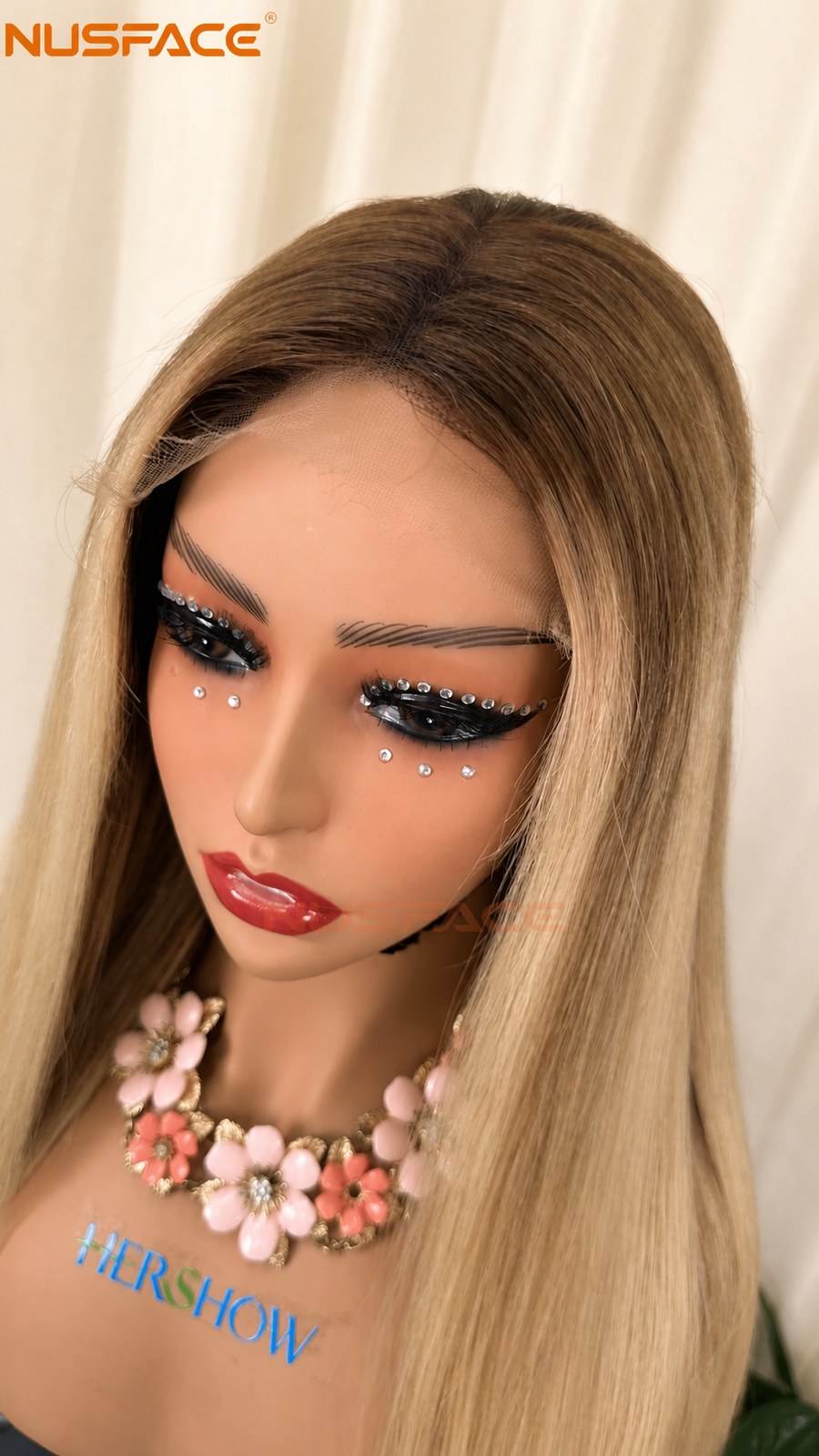
Ask for root depth to be reviewed in more than one place. The parting can look balanced while the front hairline is too dark, or the back can carry much more depth than the sides. Annotate a front and top reference instead of relying on a single number copied from another unit.
Define the root tone beside the blonde tone
Brown root is still broad. A cool brown root beside ash blonde gives a different read from a warm brown root beside honey blonde. A very dark neutral root can create deliberate contrast; a softer brunette may create a quieter lived-in result.
Write both sides of the relationship:
- Root: approximate depth, cool/neutral/warm direction and acceptable contrast.
- Mid-lengths: how much darker dimension remains between blonde sections.
- Ends: the final blonde family and whether the finish should read even or multi-tonal.
- Lighting: request consistent daylight and indoor photos before approval.
A phone screen, social-media filter and salon lighting can all shift beige, ash and honey tones. Tell the factory which reference has priority and whether you are approving tone, placement, styling or all three.
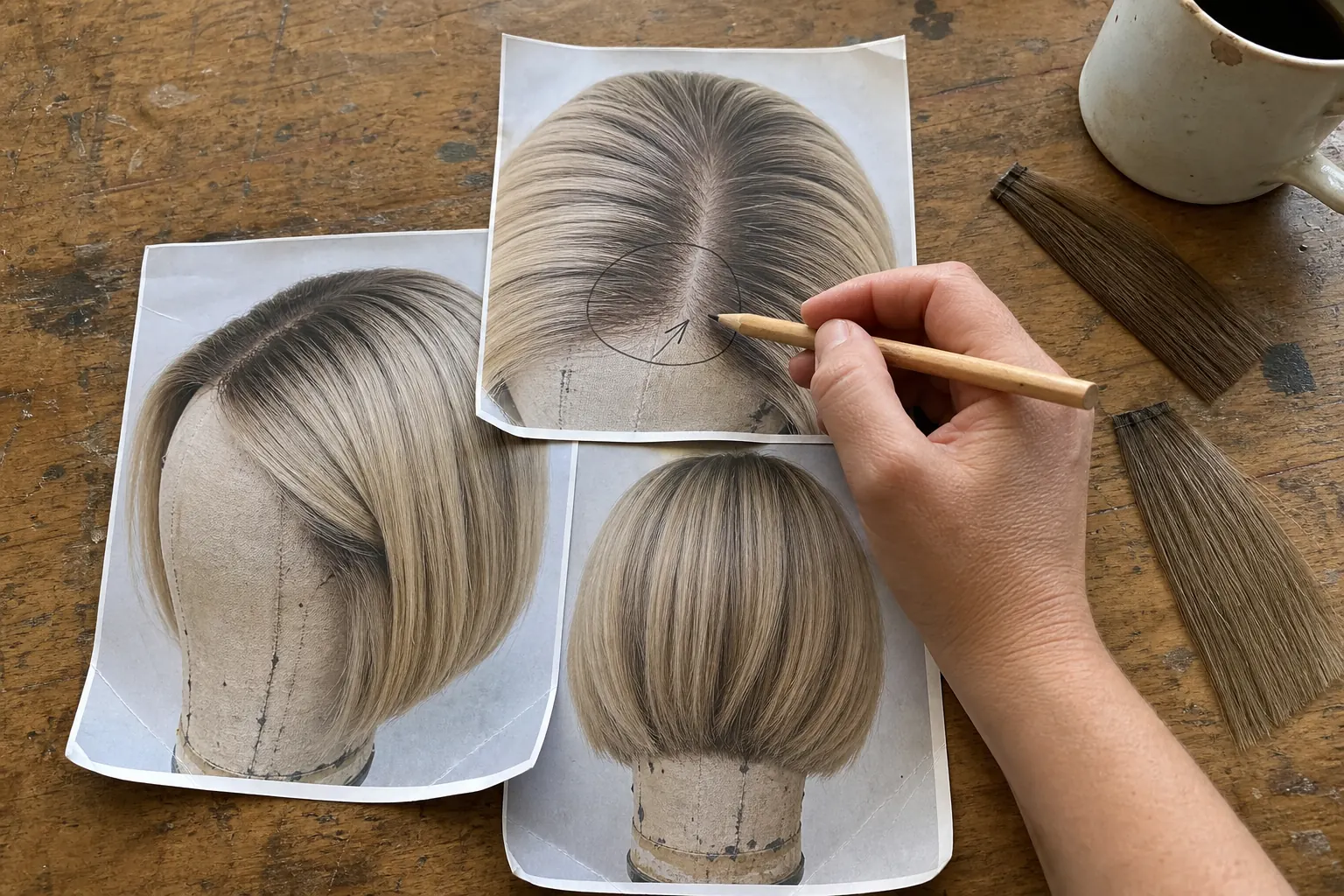
Write a placement map, not a mood board
A rooted blonde wig can carry hand-painted balayage ribbons, more regular highlights, a root-to-end ombre gradient or a brighter money piece. Those details change how the unit photographs on a product page and how customers read the color around the face.
Mark these areas on the reference:
- parting and crown;
- front hairline and money-piece area;
- left and right side panels;
- back transition;
- lower lengths and ends.
Then state whether lighter pieces should be fine, medium or chunky; sparse or frequent; symmetrical or deliberately varied. See the balayage, highlights and ombre visual buying guide if the reference combines more than one effect.
Check what happens at the parting and lace
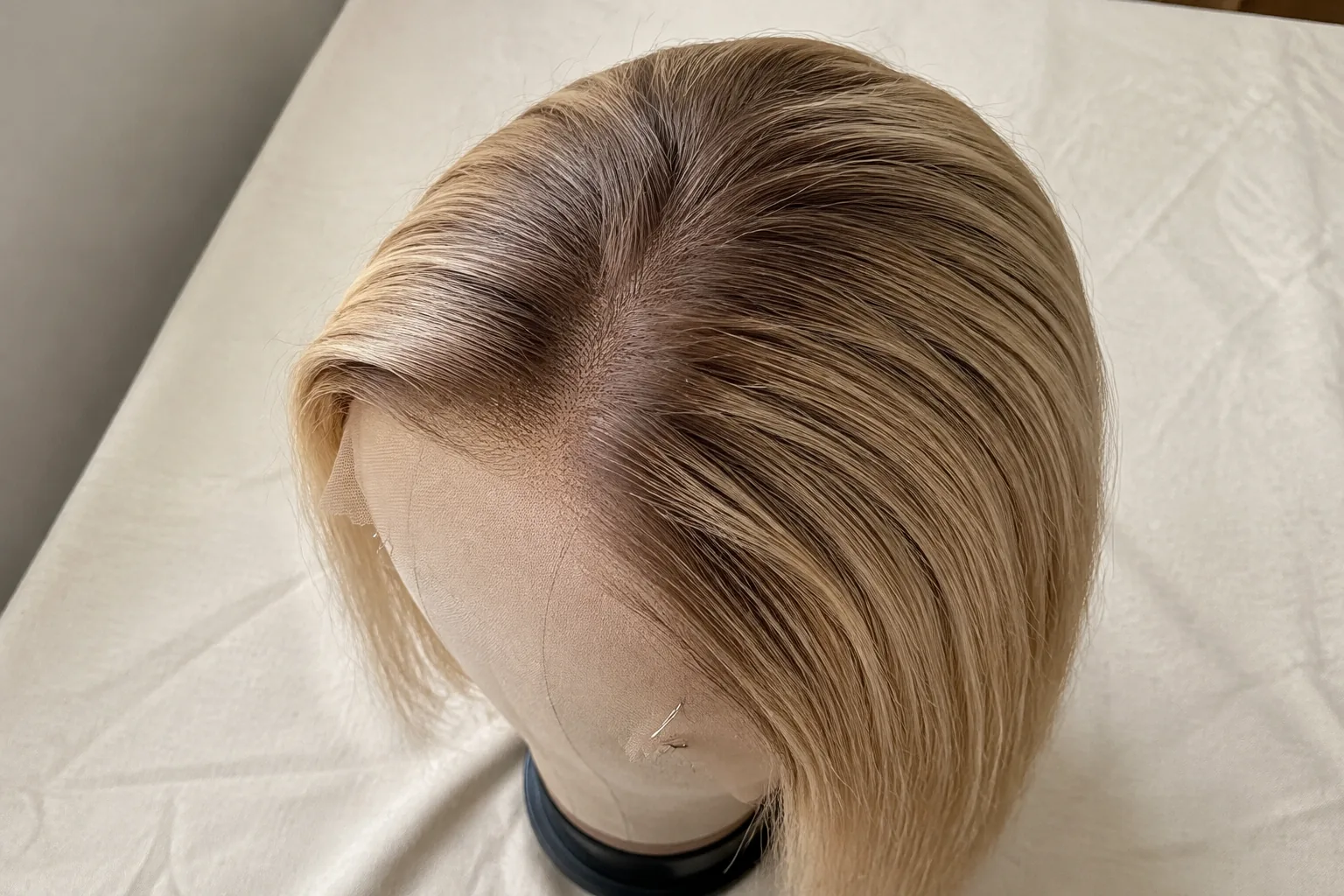
The color brief and cap brief meet at the parting. A rooted look that works on a fixed middle part may read differently when the part moves. Lace width, parting space, hairline design and ventilation affect where the deeper color is visible.
Before a quote is treated as complete, confirm:
- the required lace or closure/frontal construction;
- the intended parting position and whether the part may move;
- how much dark depth should remain around the hairline;
- whether the money piece begins at the hairline or behind it;
- the hair material, length and density being priced.
For the lace decision itself, use our HD lace vs regular lace buying guide. For material labels, use the raw vs virgin vs Remy guide and require the quotation to name what is actually supplied.
Approve the sample from the views you will need for a reorder
A polished front photograph can hide a short transition, uneven side panels or a flat back. Request the same set of views before the first paid sample and keep them with the approved brief.
Use the front to judge hairline contrast and the face frame. Use the top to judge root depth and the first lighter pieces. Use the sides to check transition height. Use the back to see whether dark depth, blonde spacing and end tone connect across the full unit.
Do the review in ordinary daylight and indoor light. Note the styling state too: waves can hide bands and make sparse ribbons look fuller. If repeatability matters, save the unstyled or straightened inspection views as well as the finished beauty photographs.
A twelve-line rooted blonde sourcing brief
Copy this list into an email or WhatsApp message and replace each bracket:
- Buyer and market: [salon / wig brand / wholesaler] serving [customer and region].
- Primary direction: [rooted ash / platinum / honey / beige blonde].
- Root tone: [cool / neutral / warm] with [soft / medium / strong] contrast.
- Root depth: annotate the part, hairline, side and back references.
- Transition: [short shadow / longer melt / defined contrast] with the desired start and finish zones.
- Placement: [balayage / highlights / ombre] plus ribbon width and spacing.
- Face frame: [none / fine / medium / bold], with placement marked on the reference.
- Hair and construction: [material, length, texture, lace, density, cap and parting].
- Sample evidence: [front, top, both sides, back, lace close-up and video].
- Order stage: [paid test order / corrected sample / reorder].
- Commercial scope: [quantity, private-label packaging and destination].
- Approval priority: [tone / placement / contrast / construction], including what must not change.
Can I change the root without changing the blonde?
You can request a different root depth, tone or transition while keeping the blonde direction as your reference. Mark the area to change and the lighter sections to preserve. The finished sample is where you check that the two still work together.
NUSFACE’s displayed color references can be adapted for a custom order. A reference showing a long root does not mean every version must keep that length of darker color. Discuss the root, blonde placement and intended parting together so the request describes the look you want to wear and sell.
Frequently asked buyer questions
Is a rooted blonde wig the same as a shadow-root wig?
Not exactly. Rooted blonde describes the overall deeper-root/blonde result. Shadow root describes a softer root treatment within that family. Suppliers may use the terms differently, so approve depth and transition from marked references.
What root color should I request for ash blonde?
There is no single required root color. Decide how cool, neutral or dark the root should read against the ash blonde, then approve both under consistent lighting. Avoid sending only a color name.
Can a rooted blonde wig also be balayage?
Yes. Rooted blonde describes the deeper root, while balayage describes how lighter pieces can be hand-placed through the unit. One wig can combine both.
Should I approve a rooted blonde sample from one photo?
No. Use front, top, side and back views, plus a lace/parting close-up. A single beauty image does not show the full transition or construction.
Does MOQ 1 mean every specification is already available?
No. MOQ 1 allows a paid test order within the current custom starting point. The requested color, material, construction, price and schedule still need written confirmation.
Send a rooted blonde brief the factory can answer
Open Custom Service and send the twelve-line brief with front, top, side and back references. The business team can separate the root, transition, blonde placement and construction before quoting the paid sample.
Or start on WhatsApp. Ask for a written scope before the paid test order is approved.
Professional color references used for this guide
- Wella Professionals: The 5 Hair Color Types — root smudge and root shadow in a dimensional color context.
- Matrix Professional: Mastering Lived-In Color — root shadow, face frame and lighter ends as separate placement decisions.
- Schwarzkopf Professional: Lived-In Blonde Service — a softer blend from darker roots to lighter mid-lengths and ends.
These sources explain salon color effects. They do not state the NUSFACE formula or prove that two suppliers use identical processes.
YOUR NEXT STEP
Get a quote for your color brief.
Send the reference, length, lace, density and quantity. Our team will confirm the details for your custom order.