In this guide
- The 30-second difference
- Balayage is a technique, not one fixed finished color
- Highlights describe the lighter pieces
- Ombre describes the gradient
- Why one finished wig can fit more than one label
- Rooted blonde is another variable, not a fourth opposite
- Choose by the selling result, then name the technique
- What if I like parts of two different references?
- Check four views before approving the sample
- Can NUSFACE customize these effects?
- Frequently asked buyer questions
- Send a color direction the factory can price
- Definitions reviewed for this guide
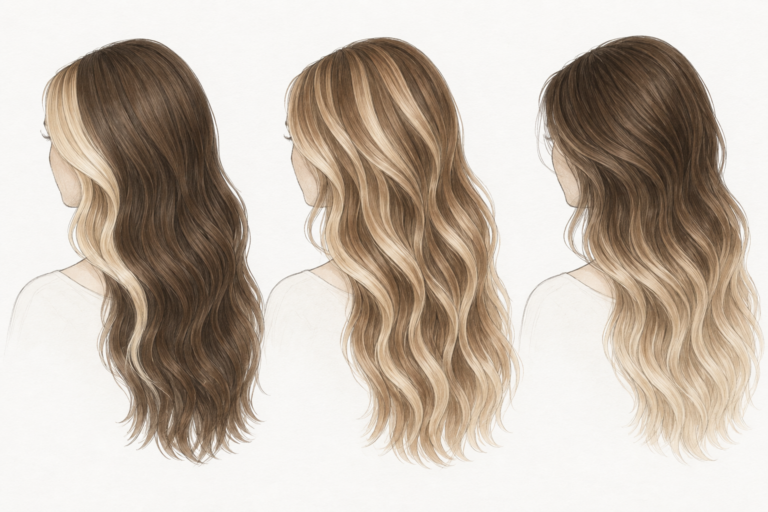
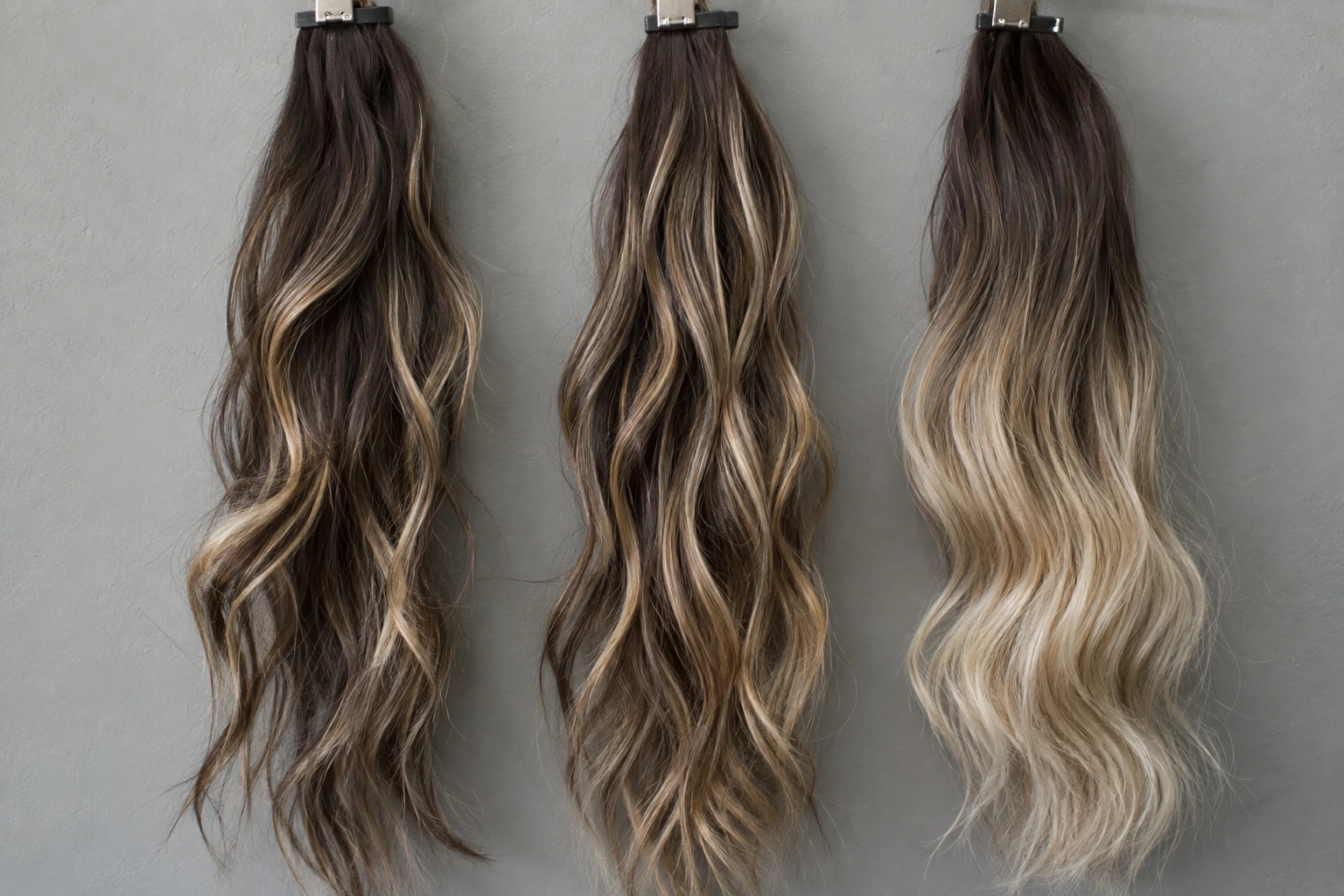
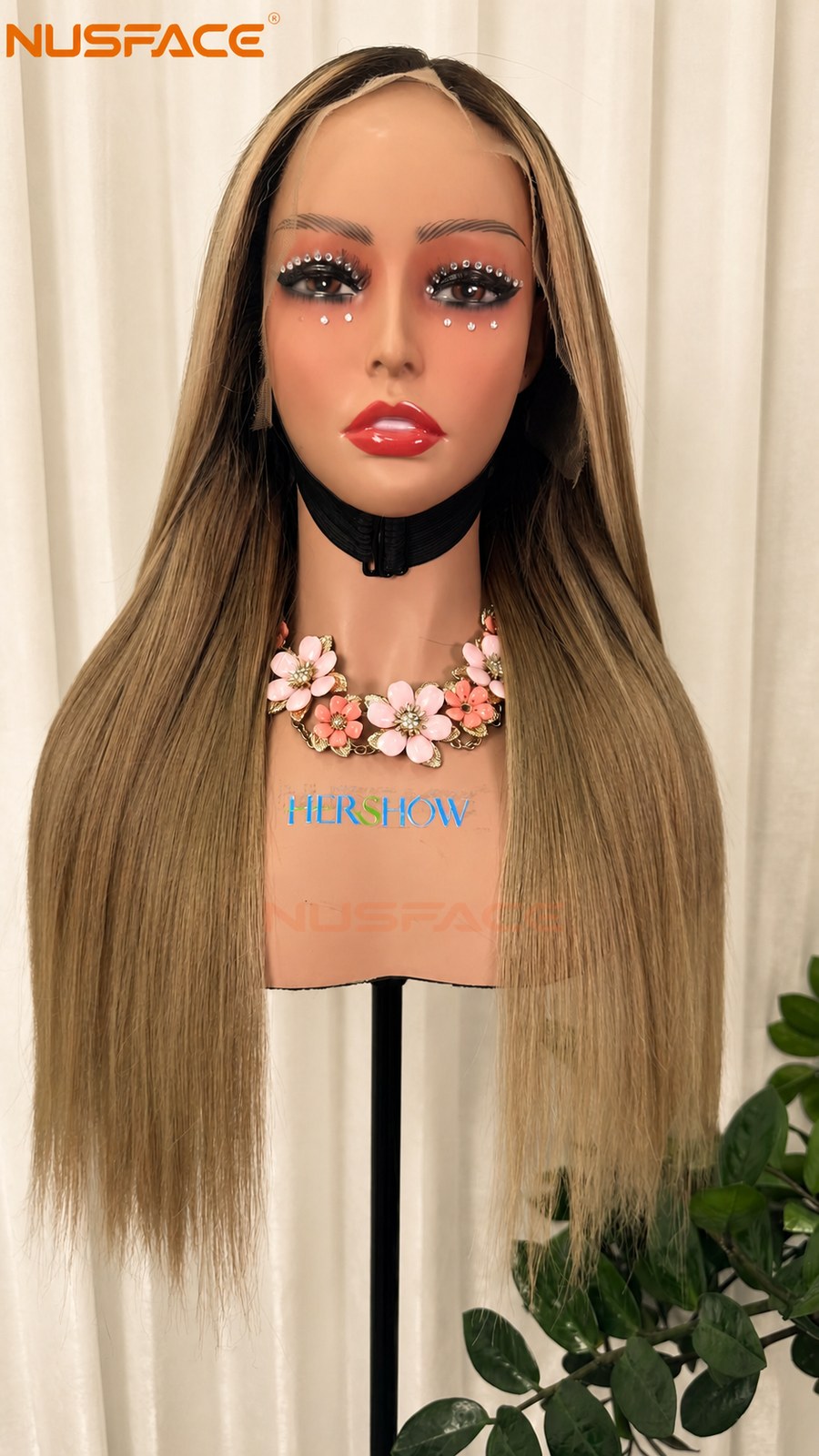
Balayage, highlights and ombre are not three names for the same wig color. Balayage describes a hand-painted placement technique. Highlights describe lighter pieces placed through a darker base. Ombre describes a darker-to-lighter gradient from roots toward the ends.
They can overlap on one unit. A rooted blonde wig may use hand-painted balayage, visible highlights, an ombre gradient—or a mix. For a B2B buyer, the useful question is not which label sounds more premium. It is which visible placement your customer expects, and whether that placement is written clearly enough to reproduce.
The 30-second difference
| Direction | What the eye reads first | Placement clue | What a buyer must specify |
|---|---|---|---|
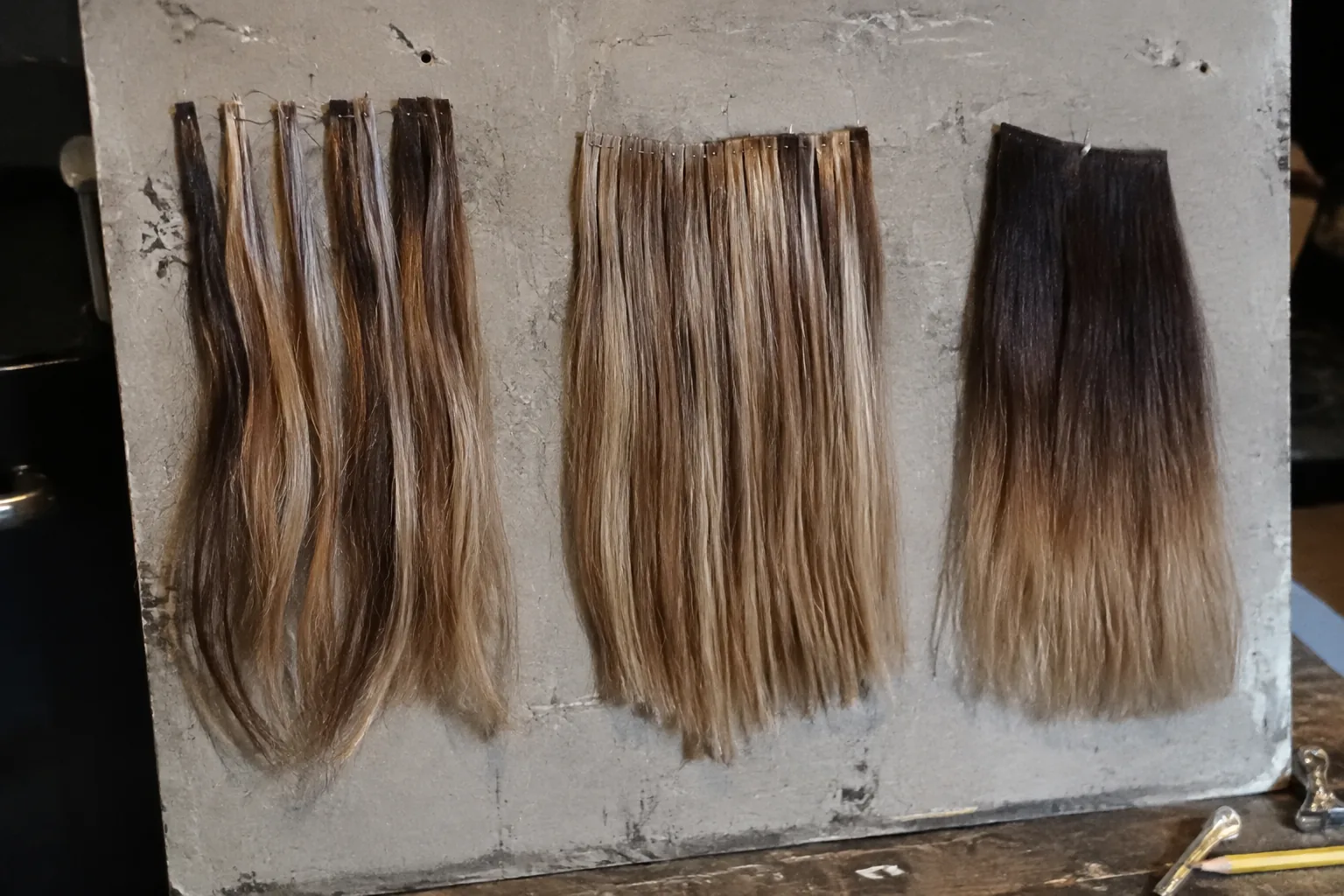
| Balayage wig | Irregular dimension and softer movement | Lighter ribbons begin at different heights and do not form a repeated stripe pattern | Root depth, ribbon width, starting height, face frame, tone and contrast |
| Highlight wig | Distinct lighter pieces through the base | Repeated vertical pieces may begin near the root, parting or face frame and continue through the length | Highlight width, spacing, brightness, front/parting/back coverage and base color |
| Ombre wig | One overall dark-to-light shift | The whole silhouette becomes lighter toward the ends, usually with a more even transition band | Root color, gradient start, transition length, end color and saturation |
The table is a buying shortcut, not a rule that every colorist or supplier will name identically. Reference images still matter.
Balayage is a technique, not one fixed finished color
Professional color education describes balayage as a sweeping or hand-painted technique used to place lightness and dimension. That technique can create a soft, lived-in result, but it can also be adjusted for stronger contrast, a money piece or a more visible blonde direction.
On a wig, look for the placement rather than the marketing word:
- Do lighter ribbons start at different heights?
- Is darker depth preserved between them?
- Does the face-framing section connect with the parting?
- Does the back still show dimension instead of one flat light section?
- Are the ends connected to the mid-lengths without a hard horizontal break?
A phrase such as caramel balayage wig still leaves several decisions open. Caramel describes a color family. It does not define root depth, the amount of blonde, the width of the ribbons or where the lightness begins.
Highlights describe the lighter pieces
Highlights are sections that read lighter than the base. They may be fine and closely spaced, wide and high-contrast, concentrated around the face, or distributed through the whole unit.
This is why a buyer searching for highlight wigs may want something very different from a buyer searching for balayage. The first may be looking for brighter vertical definition that photographs clearly on a product page. The second may prefer less repetition and more variation through the placement.
Do not write full highlights in a brief and assume every supplier sees the same map. State where the lighter pieces must appear:
- front hairline and money-piece area;
- left and right side panels;
- top and parting;
- crown and back;
- lower lengths and ends.
Then state whether the spacing should be fine, medium or chunky. A front photo alone cannot approve the back.
Ombre describes the gradient
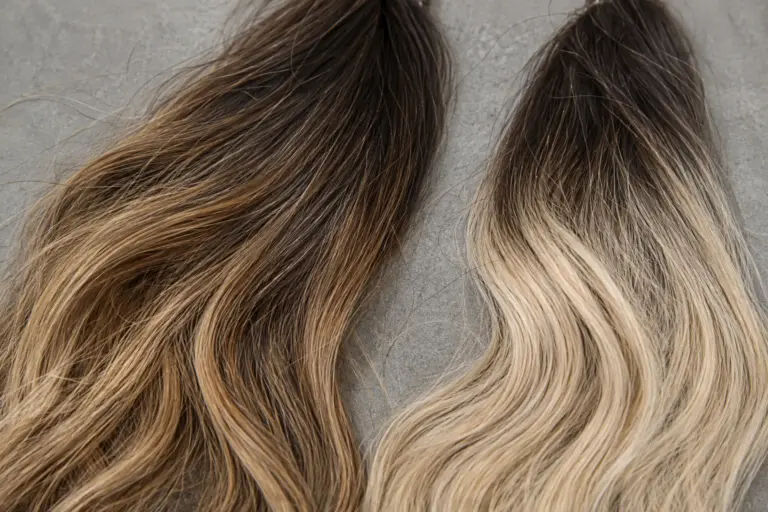
Ombre is read across the whole length: darker near the root, lighter toward the ends. Compared with visible highlights, the main decision is usually where the gradient begins and how long it takes to move from the base to the end tone.
Two ombre wigs can share the same root and end colors but look unrelated. One may keep dark depth through most of the length before changing quickly. Another may begin the transition higher and blend across a much longer area.
Ask for three checkpoints in the brief:
- Root or upper-base color.
- The height and softness of the transition.
- The final end color and how much of the lower length it occupies.
If the reference also has lighter vertical pieces near the face or parting, say so. Ombre with face-framing highlights is clearer than forcing the image into one label.
Why one finished wig can fit more than one label
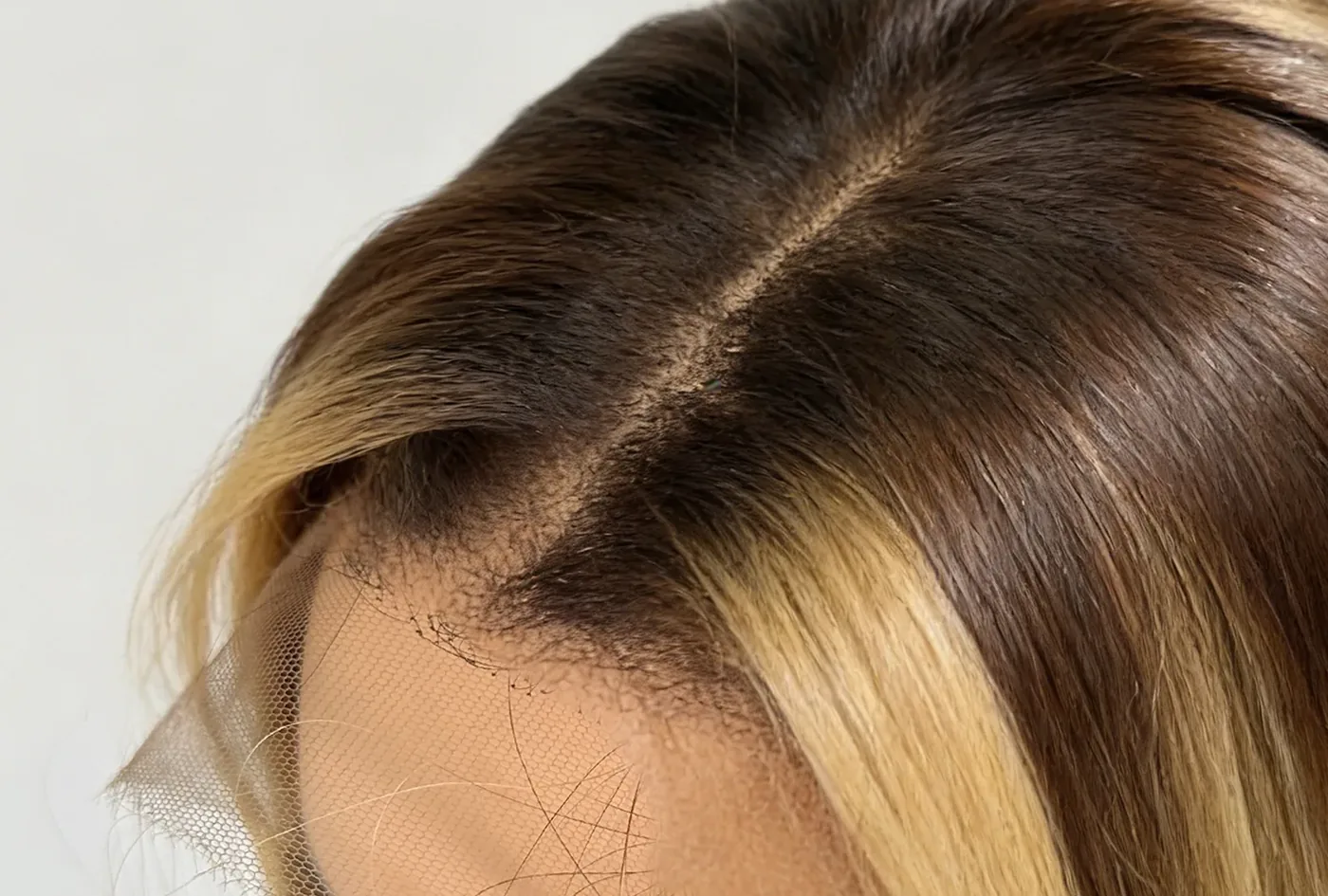
Hair.com by L’Oréal describes balayage as freehand painting, traditional highlights as lighter sections running from roots to ends, and ombre as a dark-to-light gradient. These descriptions help identify the placement in a reference; they do not specify one fixed color formula.
That means these combinations are possible:
- balayage with fine face-framing highlights;
- ombre created with hand-painted placement;
- rooted blonde with brighter money pieces;
- highlighted color with a shadowed or melted root;
- balayage that finishes with a light, ombre-like lower section.
This overlap is not a naming problem. It becomes a production problem only when the buyer sends a label without a placement map.
Rooted blonde is another variable, not a fourth opposite
Rooted blonde tells you that the upper area keeps a deeper root while the rest reads blonde. It does not tell you how the blonde is distributed.
A rooted blonde unit can use:
- irregular balayage ribbons;
- repeated highlights;
- a smooth ombre gradient;
- a money piece around the face;
- a root melt or shadow-root direction.
Treat root depth and root transition as their own line items. Our guide to root melt vs shadow root on balayage wigs explains how those root directions fit beside a money piece.
Choose by the selling result, then name the technique
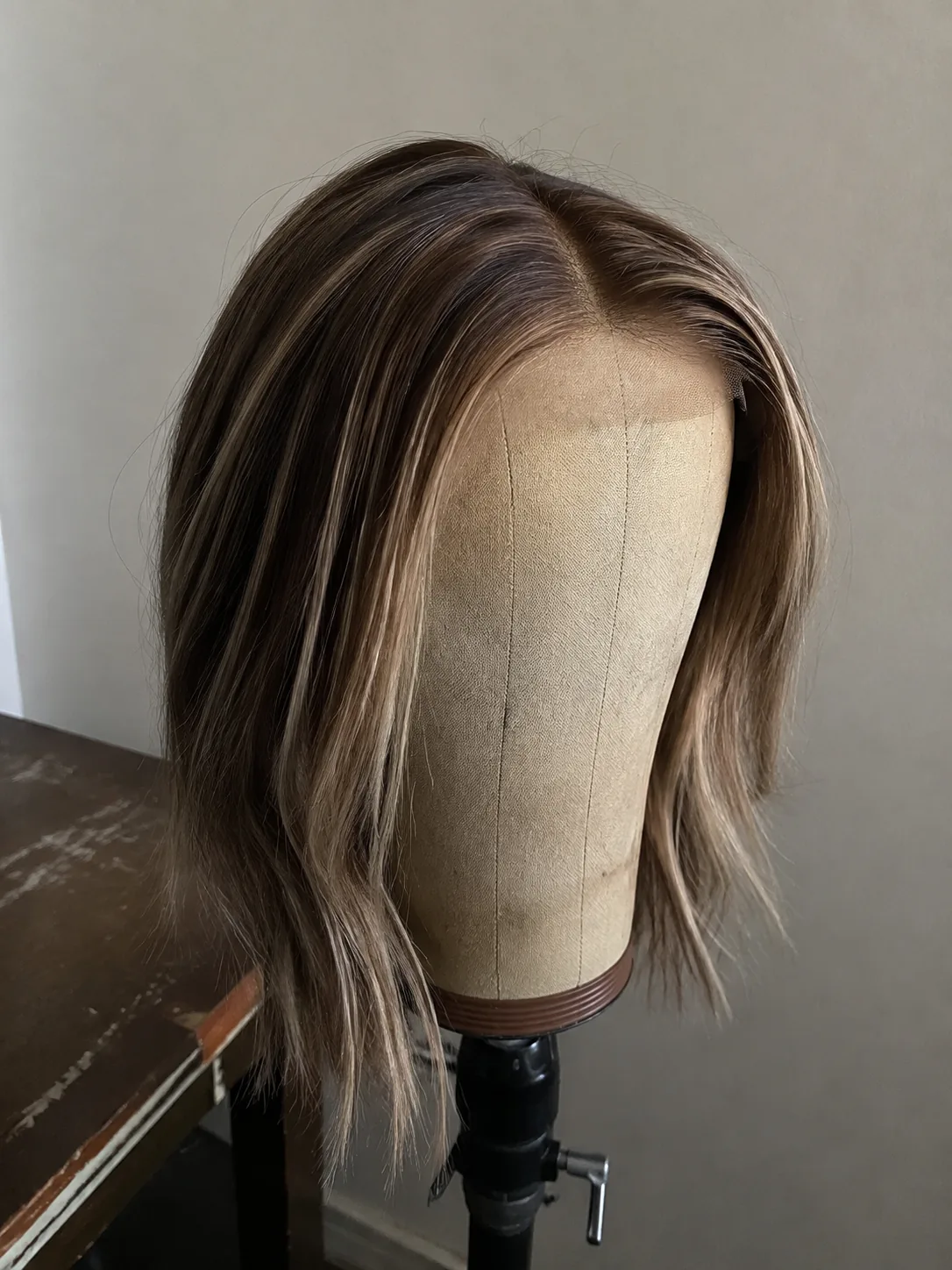
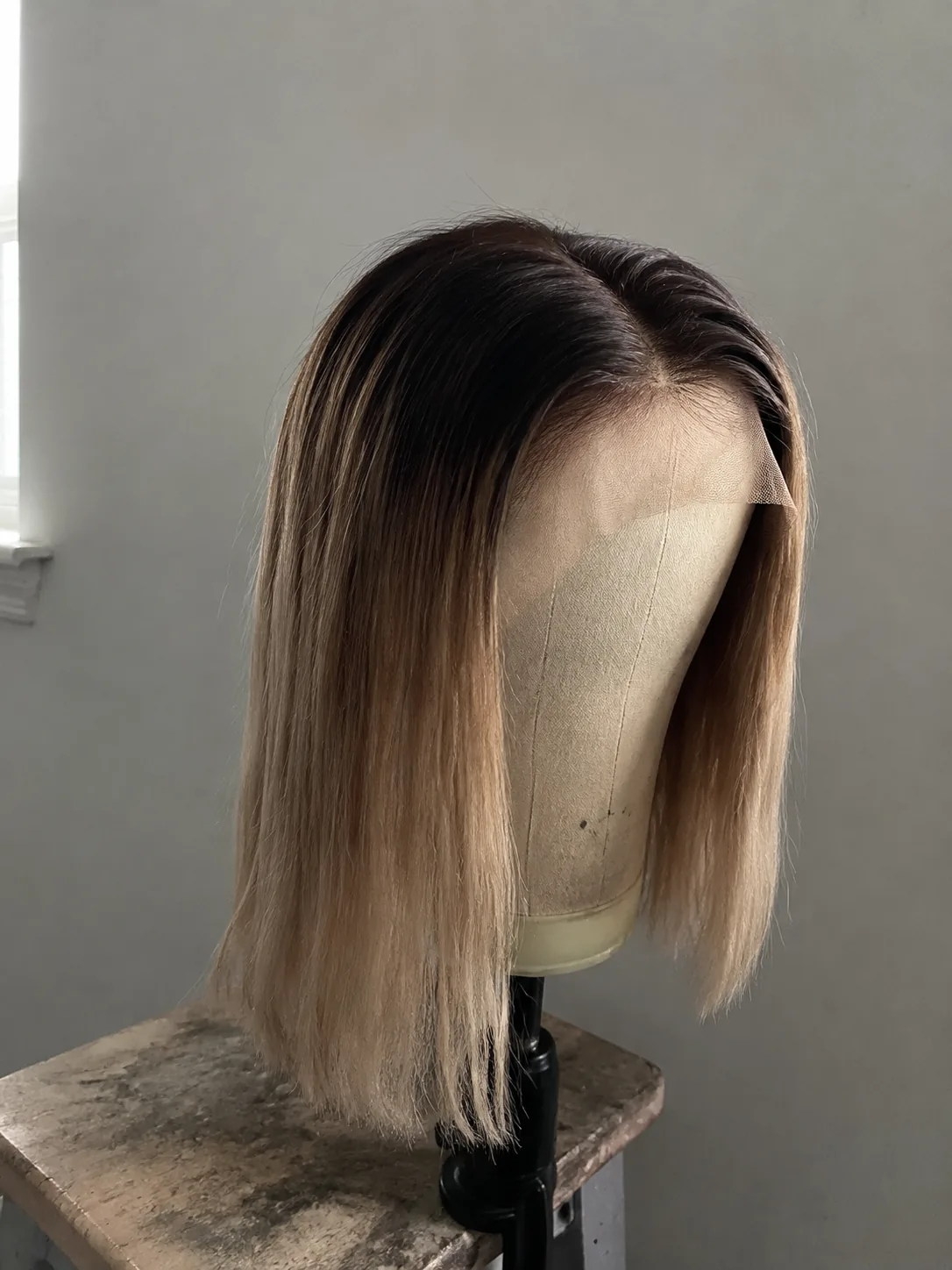
Start with what the finished unit needs to do in your sales channel.
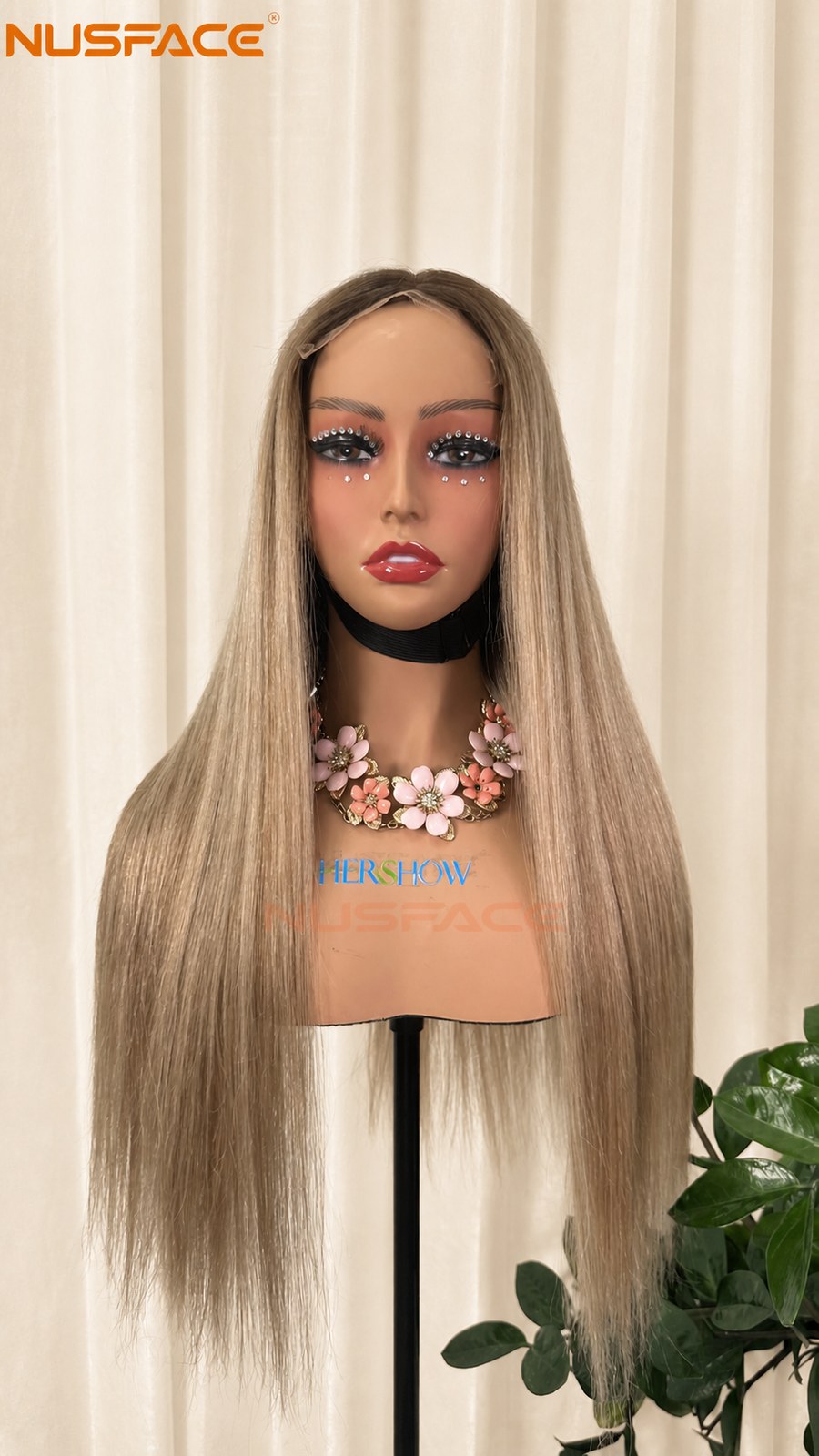
Choose a balayage-led brief when the customer expects varied ribbons, preserved depth and a less repeated color map. Choose a highlight-led brief when visible vertical brightness and clear pieces are central to the product image. Choose an ombre-led brief when the main visual promise is one readable root-to-end gradient.
Then add the overlapping details. A salon may want balayage placement with a brighter money piece. A wig store may want an ombre silhouette with a few front highlights because that is what the reference photo shows. A private-label buyer may use rooted blonde in the product name but approve the sample by root depth, ribbon spacing and end tone.
The public product name can stay simple. The production brief should not.
What if I like parts of two different references?
You can combine a darker top from one reference with the bright face frame from another. Label the feature you mean in each image. A full set of pictures without those notes can leave it unclear whether you want the color, the curls or the amount of blonde.
For example: “Keep the brown depth and gradual ends in photo A, but use the narrower front highlights in photo B.” That is enough to make the first discussion useful. The custom color reference guide covers the extra detail needed before sampling.
Check four views before approving the sample
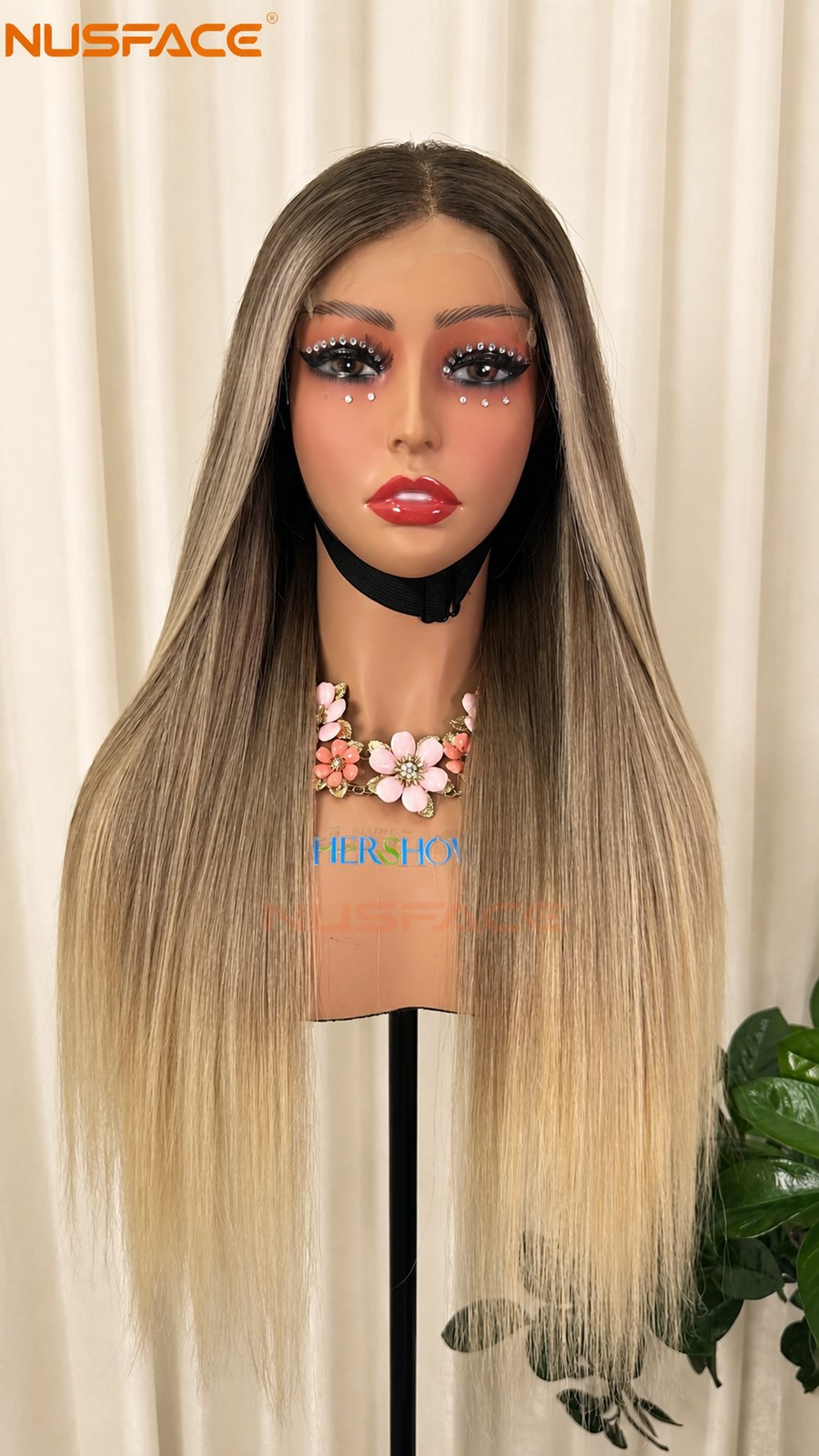
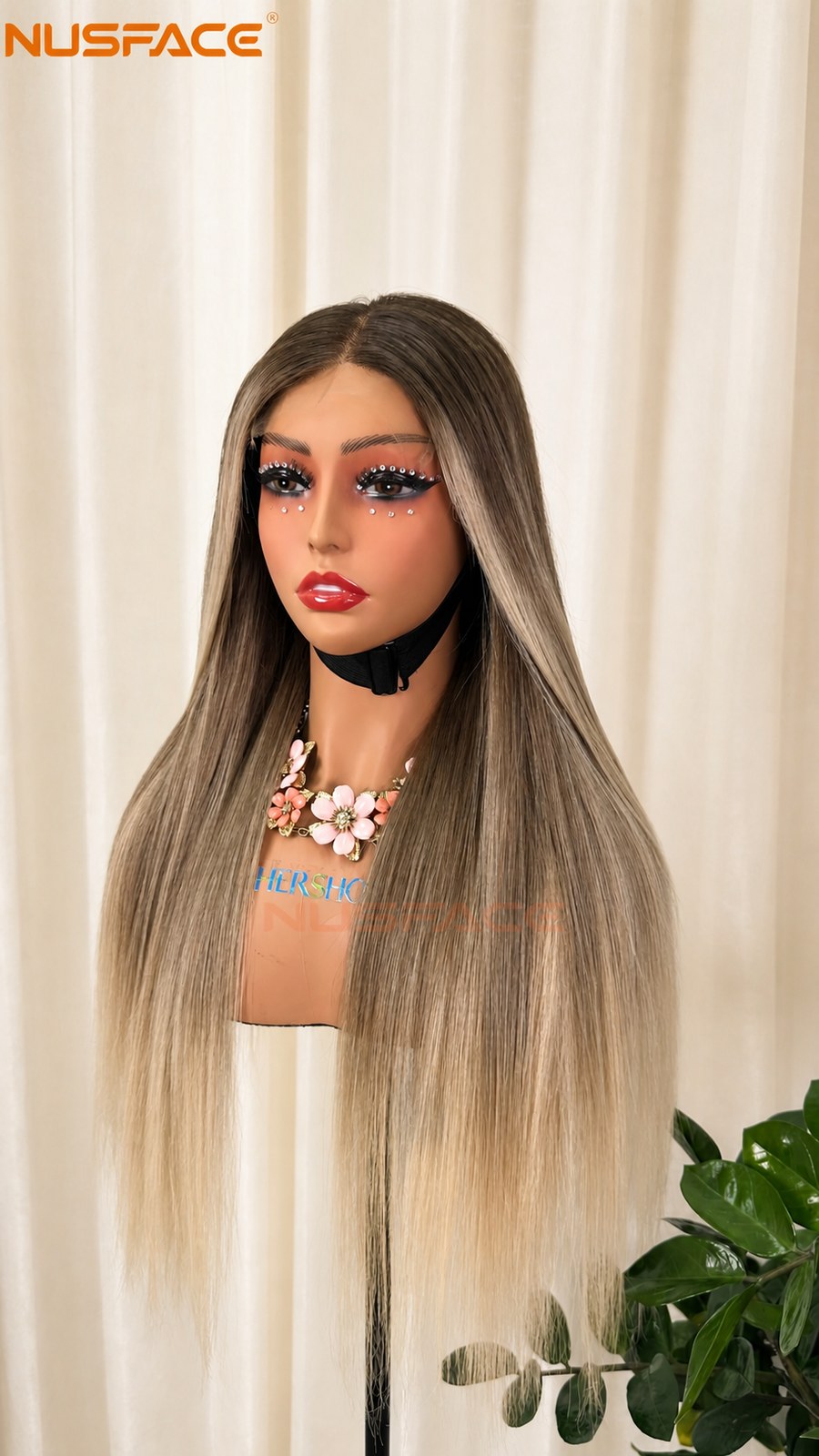
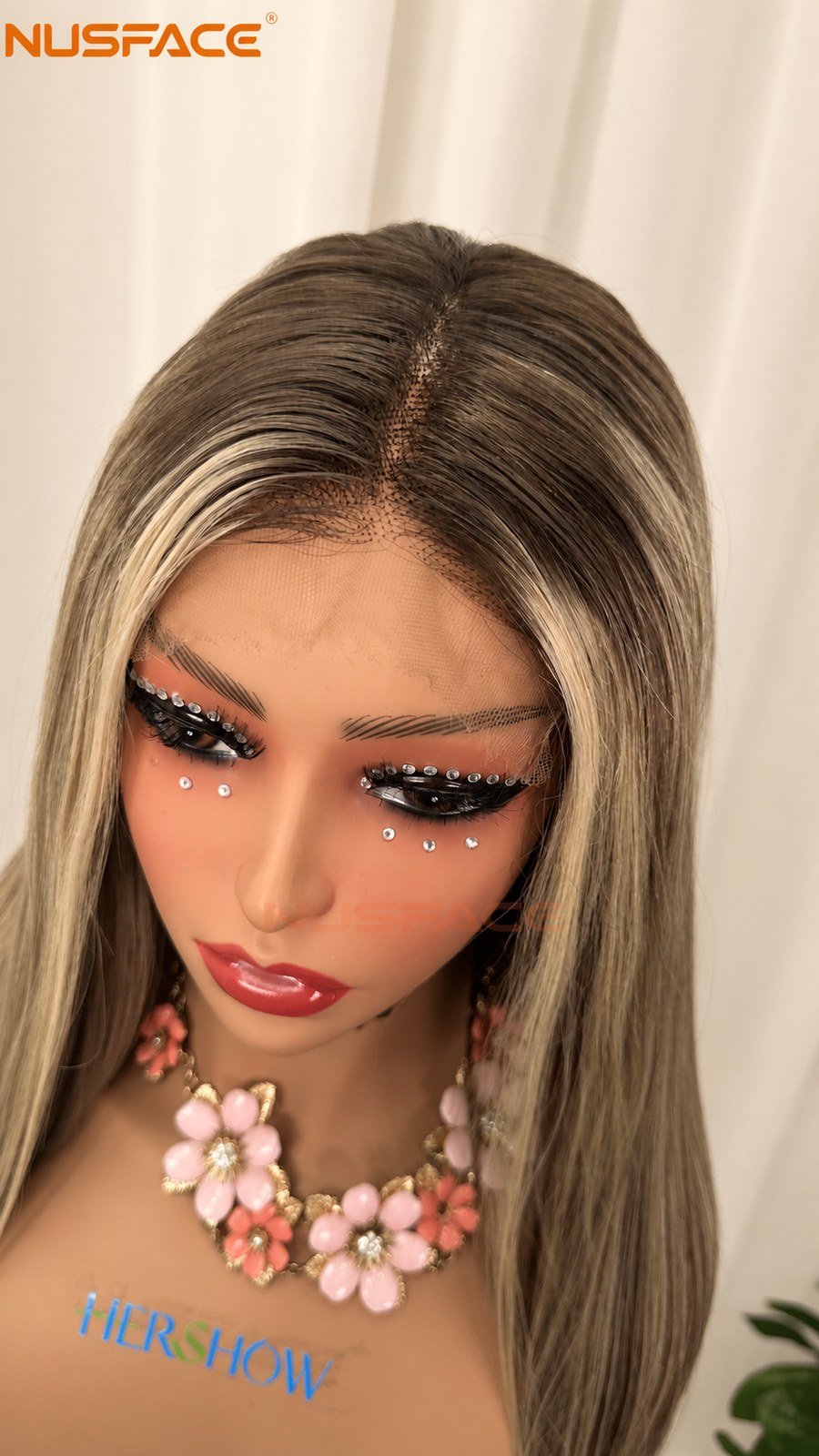
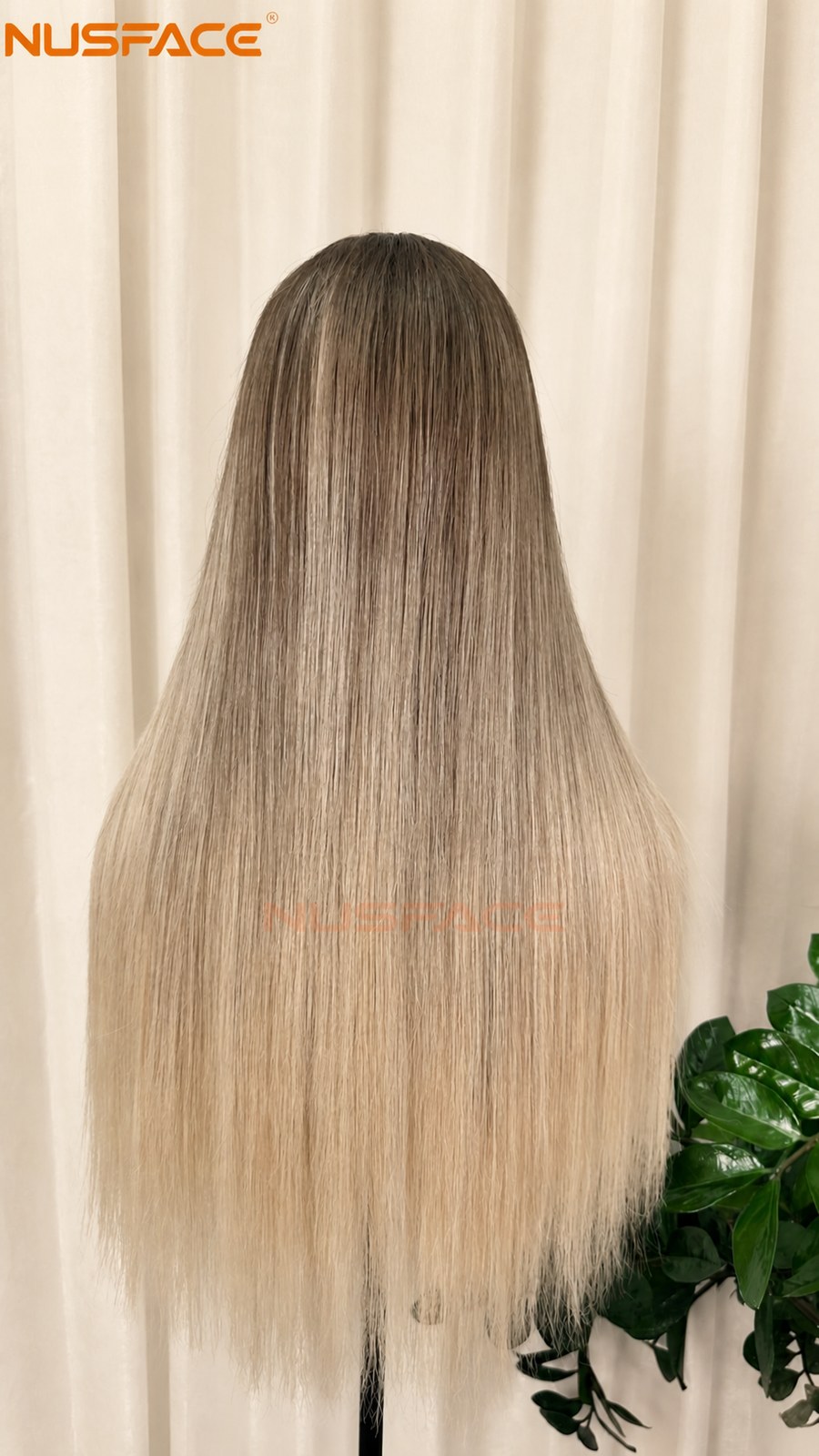
One flattering front view is not enough for a custom color approval.
- Front: check the money piece, hairline contrast and balance from left to right.
- Parting: check root depth, the first lighter pieces and how the placement changes when the part moves.
- Sides: check where the ribbons or gradient begin and whether both sides follow the approved direction.
- Back: check spacing, preserved depth, transition and the final end tone.
View the sample in ordinary daylight and indoor light. Record the same angles you will use for a reorder. Our paid sample inspection guide gives a fuller scorecard for color, lace, construction and repeatability.
Can NUSFACE customize these effects?
NUSFACE can discuss balayage, highlights, ombre and combinations of these effects as custom requests. The displayed styles are references, so you can change the color distribution and discuss the length, lace and styling needed for your customer.
A one-piece paid sample is available once the requested design and quotation are agreed. It gives you a finished reference to inspect before a larger order.
Frequently asked buyer questions
Is balayage the same as highlights on a wig?
No. Highlights are the lighter pieces you see. Balayage is a placement technique that can create highlights with less repeated, more hand-painted spacing.
Is ombre a technique or a finished look?
For buying purposes, treat ombre as the visible dark-to-light gradient. Different coloring methods can be used to create that result, so approve the transition rather than guessing the process.
Can one wig be balayage and ombre?
Yes. A hand-painted technique can create an overall ombre result, and a wig may combine a gradient with visible ribbons or face-framing highlights.
Are rooted blonde wigs always balayage wigs?
No. Rooted blonde describes a deeper root with blonde through the rest of the unit. The blonde may be arranged as balayage, highlights, ombre or a combination.
What should I send for a custom highlight or ombre wig quote?
Send front, side and back references if possible, then list the base color, root depth, placement, contrast, transition, end tone, hair material, length, lace, density, quantity, packaging and destination.
Send a color direction the factory can price
Open Custom Service and send the reference, intended customer, color direction, construction and order context. If the request sits outside the website's featured balayage specification, the business team can review it as a custom project and confirm the written brief, quotation and preparation time.
Or start on WhatsApp. Ask the team to separate the root, placement, transition and end tone before the paid test order is approved.
Definitions reviewed for this guide
- Hair.com by L’Oréal: Balayage vs. Highlights — freehand balayage, root-to-end highlights and the dark-to-light ombre gradient.
- L'Oréal Professionnel: French highlights — placement, lift and contrast as controlled highlight decisions.
YOUR NEXT STEP
Get a quote for your color brief.
Send the reference, length, lace, density and quantity. Our team will confirm the details for your custom order.