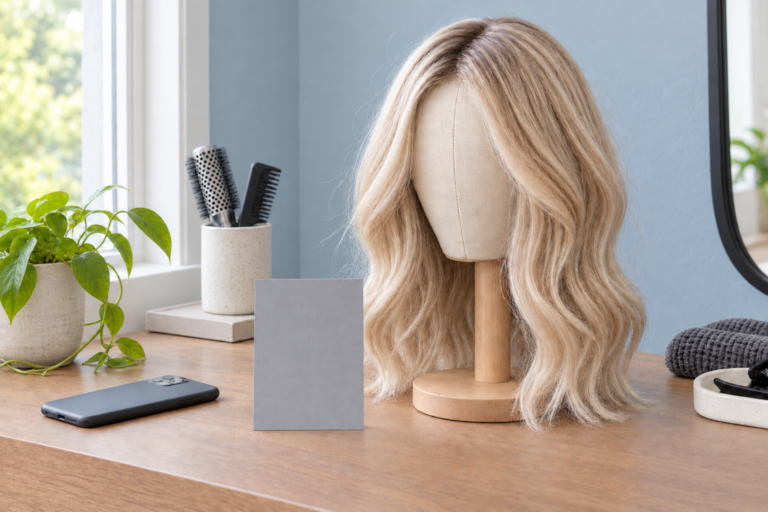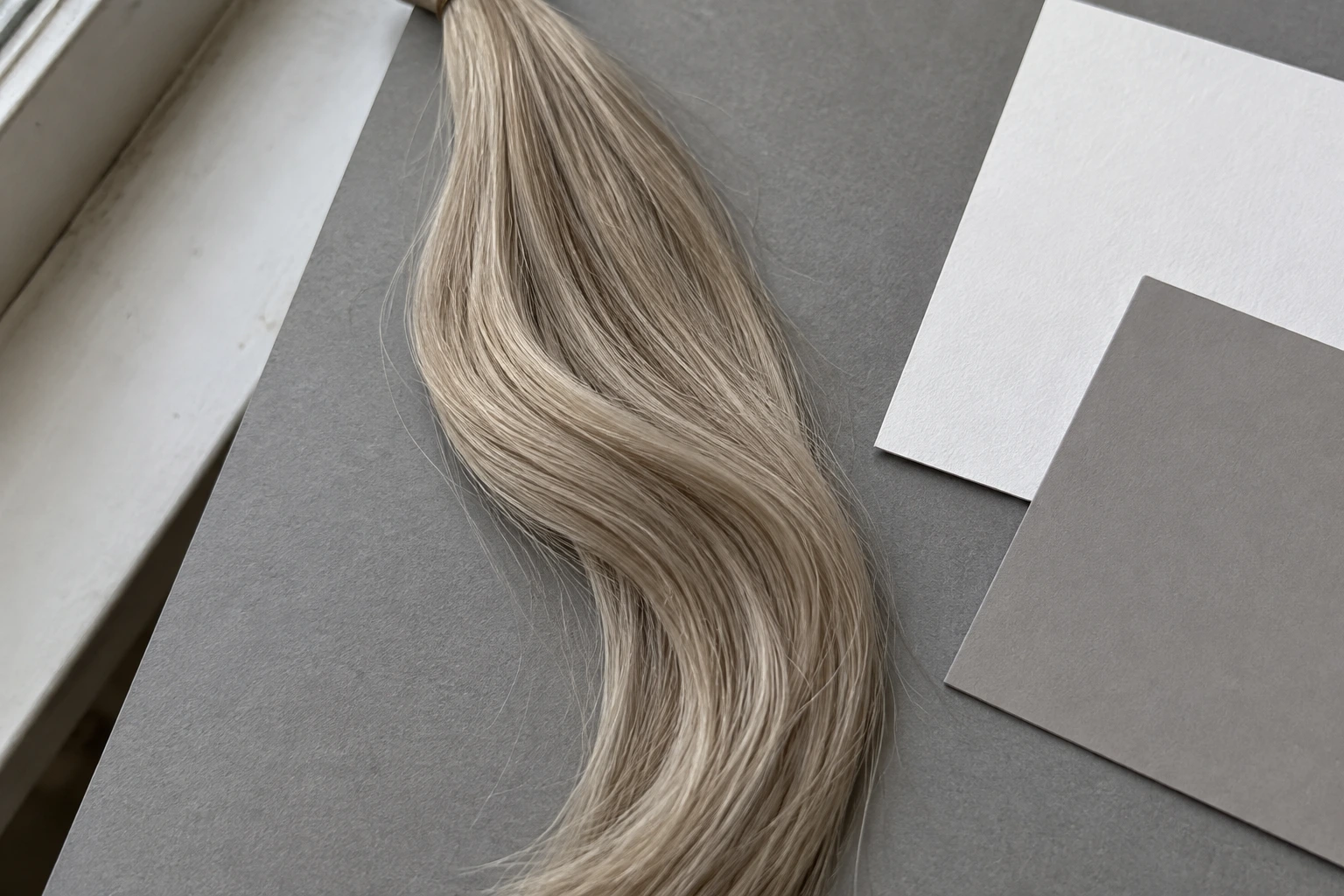
Ash blonde is a cool blonde direction, but it can look softly muted, smoky or much closer to silver. If your concern is that the wig will look too grey, choose a reference that shows how much of that grey cast you actually want. “Ash” alone does not settle the result.
For a sample request, separate the tone from the lightness and the placement. You may like the cool blonde but want less of it around the face, or like the lightness while preferring a less smoky finish. Explaining that difference gives the color team a useful starting point without asking you to know a dye formula.
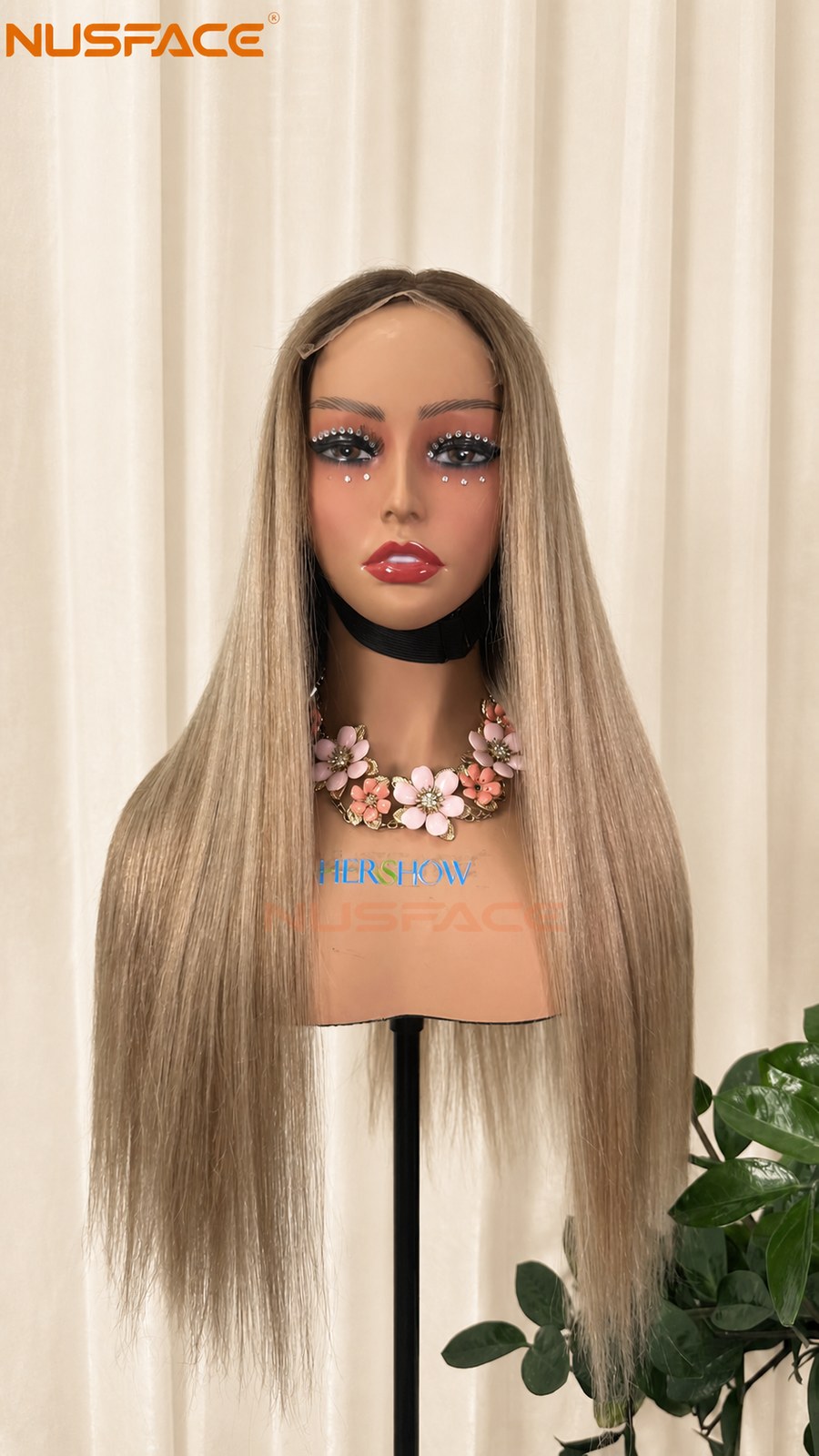
Change the right part of the ash-blonde brief
Too grey?
Change the tone field. Name the grey or smoky cast you want to avoid. Compare the same mid-length or end section in the agreed indoor and daylight views before requesting a physical color change.
Too light?
Change the lightness field. Mark the section that is too pale and show the target depth. Keep the warm/cool direction separate; platinum describes very light blonde, while ash describes undertone.
Too much blonde at the face?
Change the placement field. Mark the width and starting point on a front or three-quarter view. The money piece can be narrowed or softened while the chosen tone elsewhere stays.
These are separate decisions. A reference can help, but you can also describe the result you want and ask the team to clarify it.
In this guide
- Treat ash blonde as a direction, then define the result
- Choose a reference that separates tone from styling
- Write the root and placement as separate fields
- Confirm construction before color approval
- Request a photo sequence you can compare
- An optional ten-line ash blonde sample brief
- Can I customize ash blonde beyond the displayed style?
- Frequently asked buyer questions
- Send a brief the factory can answer
- Professional color references used for this guide
Treat ash blonde as a direction, then define the result
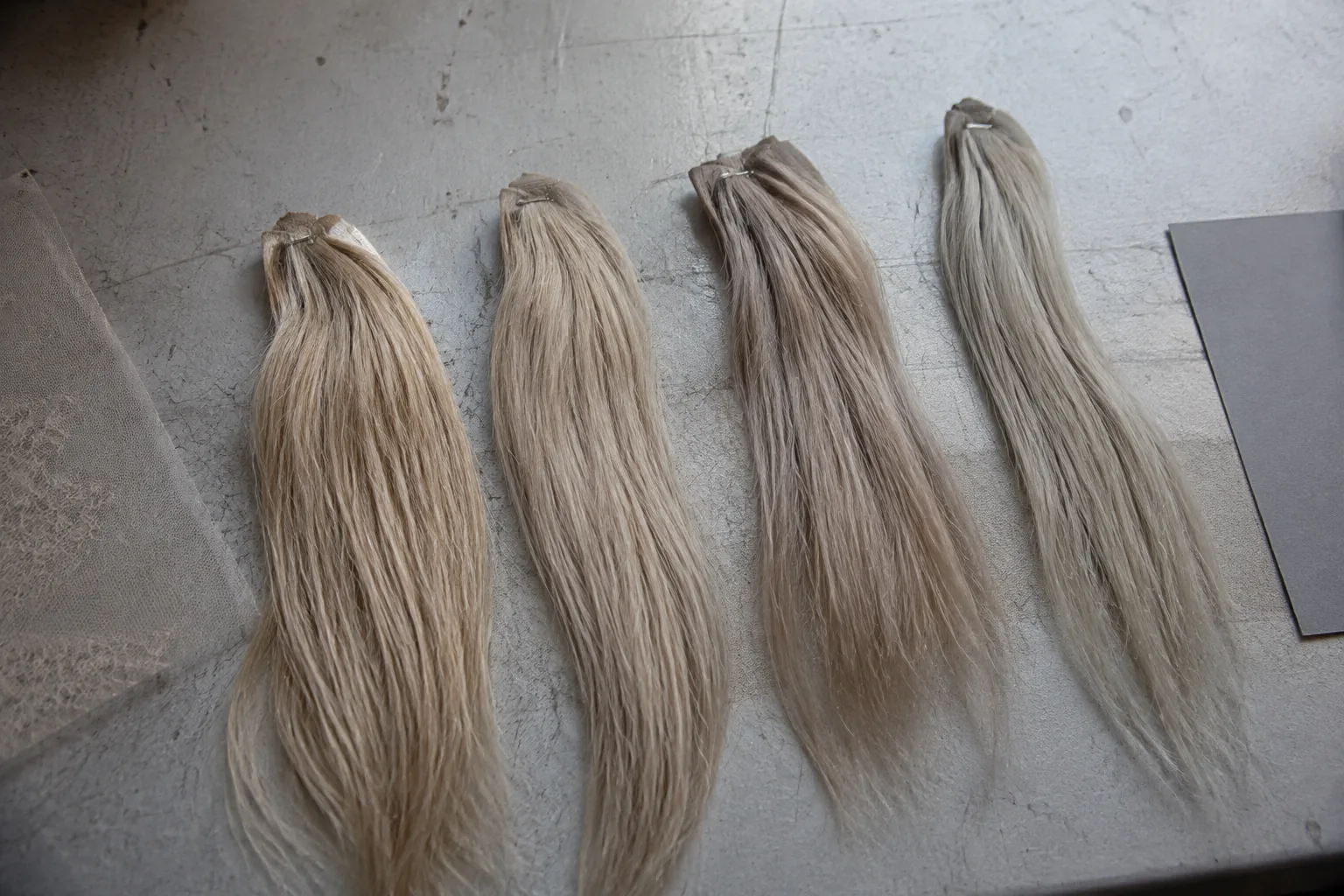
Professional color references usually place ash blonde on the cool side of blonde. L’Oréal Professionnel describes ash shades through grey, green, blue or violet undertones with less visible red or orange warmth. Wella also shows that ash blonde can range from smoky and lived-in to much icier results. Those descriptions explain why the word is useful, and why it is still incomplete.
A factory brief should locate your target within that range. State whether the result should read neutral-cool, smoky, silver-leaning or very icy. Then name the nearby result you want to avoid: too beige, too grey, too bright at the ends, or too dark through the mid-lengths. A marked reference is more useful than adding another adjective.
For the sample, check the agreed tone family in each requested light, then the root reach and placement across the front, sides and back. Record any unexpected warmth by location—front, crown, sides or ends. Confirm construction and the order stage separately: paid test, correction round or reorder. The quotation and approval record should identify that stage. For the root, note any blocky edge, excess reach or disconnected transition against the approved direction.
Choose a reference that separates tone from styling
Curls, shine, exposure and a warm room can change how blonde looks on a screen. Send at least one reference where the color is easy to read, then tell the supplier which parts matter. You may be approving the coolness of the ends from one image, the root contrast from another and the placement from a third. Write that relationship beside the files.
If a social-media image has a strong filter, keep it as a mood reference and add a cleaner color reference. Ask the factory to identify any conflict before quoting. A supplier cannot reliably infer whether you prefer the lighting effect or the physical color.
Write the root and placement as separate fields
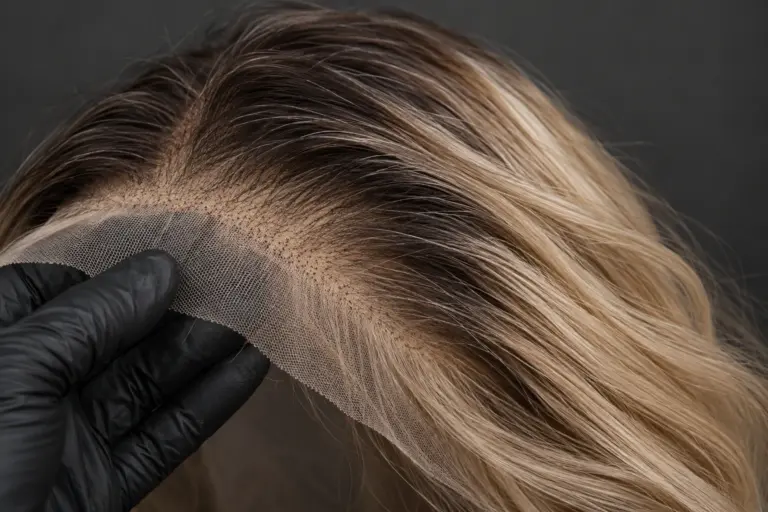
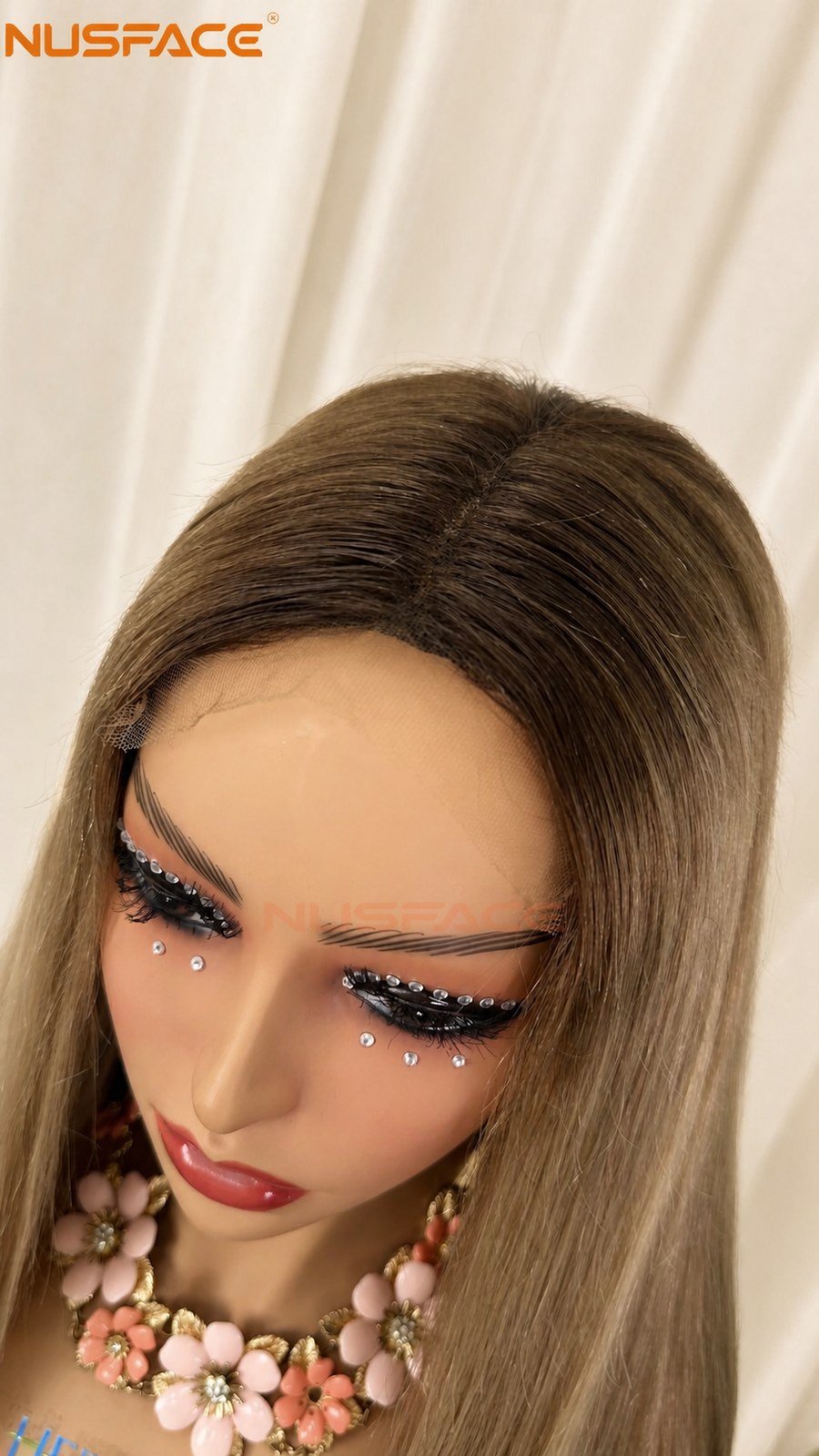
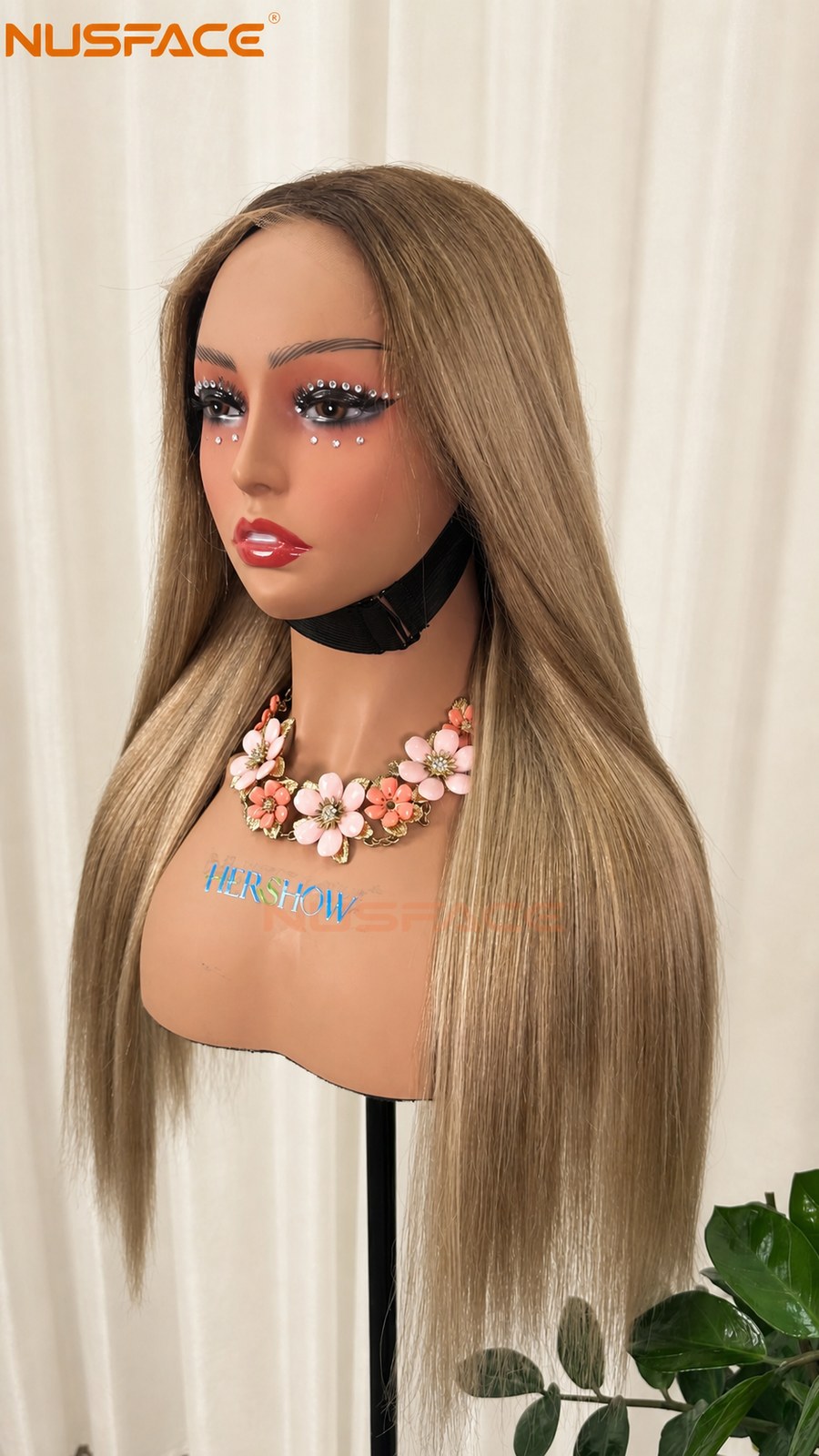
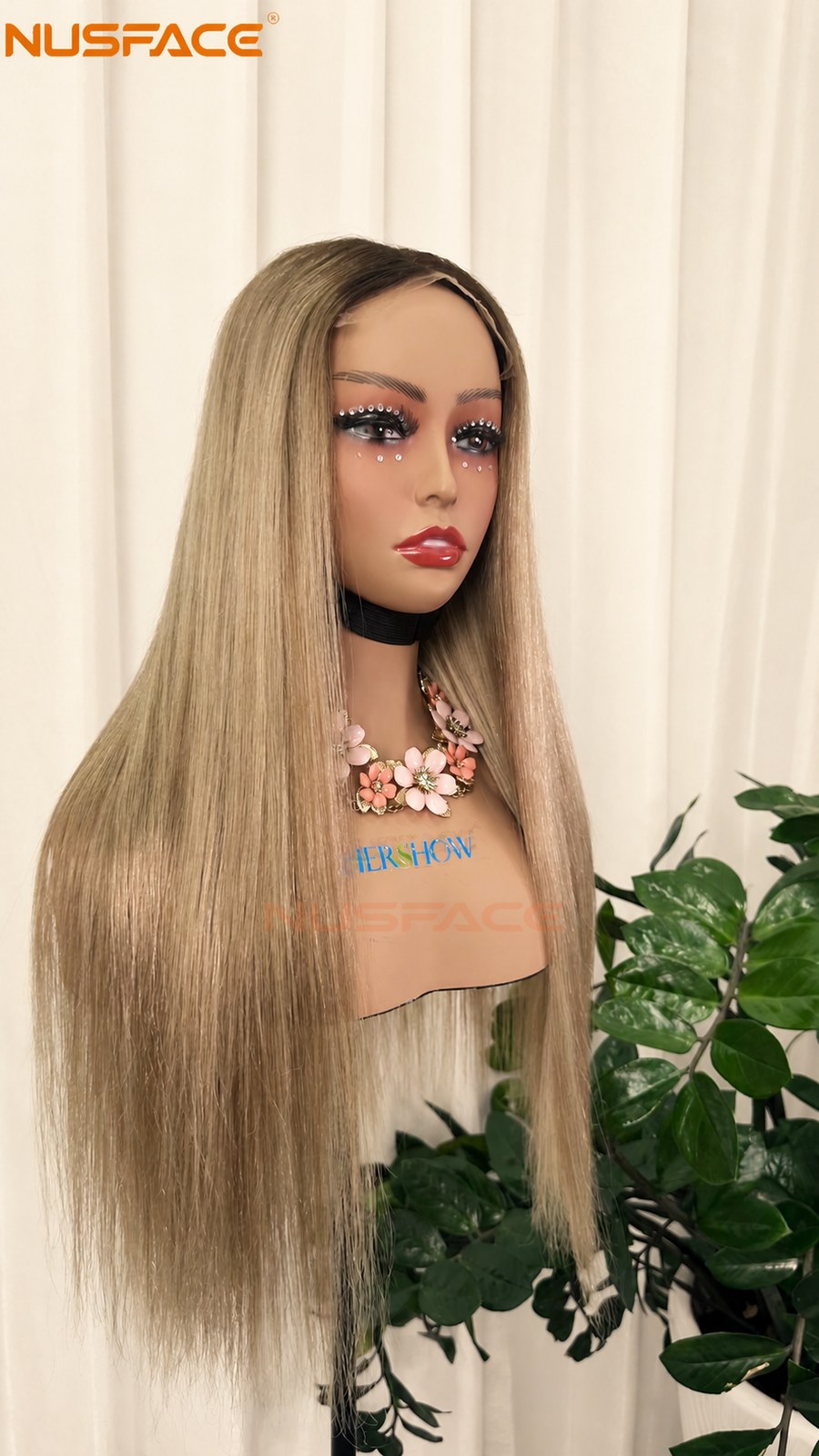
A rooted ash blonde wig has at least two color decisions: the root itself and the way the lighter color travels through the unit. “Dark root” does not settle either one. A cool medium-brown root can produce a softer relationship than a nearly black root. A short shadow at the parting reads differently from a longer melt extending into the sides and back.
Mark the following areas on front, top and back references:
- Parting and crown: where the deeper area should stop and how much variation is acceptable.
- Hairline and temples: whether the ash blonde begins close to the face or sits behind a deeper edge.
- Side panels: the number, width and contrast of lighter sections.
- Back: whether the transition follows the sides or carries more depth.
- Ends: whether they should finish evenly pale or retain darker dimension.
If your reference combines a shadow root with balayage, highlights, ombre or a money piece, name both effects. Our rooted blonde sourcing guide covers root depth and transition in detail, while the balayage, highlights and ombre comparison helps buyers label the placement.
Confirm construction before color approval
The same placement can read differently on a middle part, a wider frontal or a smaller closure. Parting space determines how much root is visible. Hairline density affects contrast around the face. Length changes the distance available for a root-to-end transition.
Put material, length, lace, density, cap and intended parting in the same written scope as the color. If you need movement in the part, say so before the sample is made. If your team will cut or restyle the unit after delivery, note where the brightest sections must remain useful.
Do not transfer a specification from a retailer’s product title into a factory order without confirmation. “Ash blonde lace wig” may omit the lace size, cap, density, hair material and parting behavior. The HD lace vs regular lace guide can help separate the lace decision from the color decision.
Request a photo sequence you can compare
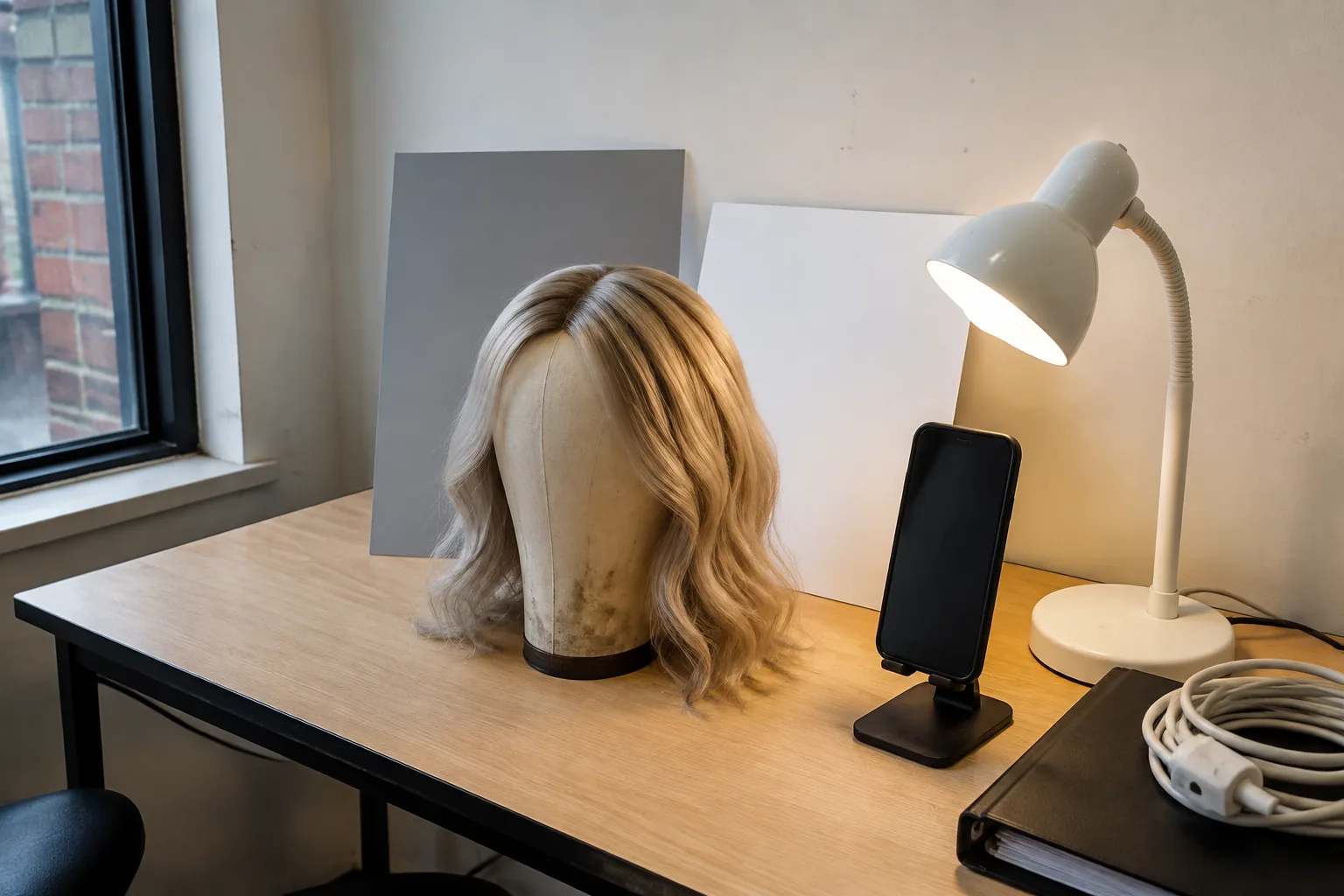
Lighting checks are for reducing ambiguity, not proving a laboratory color match. Ask for the same finished unit in a repeatable sequence. The camera should not add a beauty filter or dramatic warm/cool preset. A white or neutral grey object in the frame can help your team notice exposure shifts, but it does not turn a phone camera into a calibrated instrument.
- Front, top, left side, right side and back in indirect daylight.
- The same main views under ordinary indoor white light.
- A close view of the root-to-blonde transition at the parting and hairline.
- A close view of mid-lengths and ends, including any area that appears warmer.
- A short rotation video when placement continuity is important.
Keep the original files with the written brief. Messaging-app previews and screenshots may compress or alter them. If two lighting sets disagree, ask what changed before accepting or rejecting the sample. If the ash looks beige indoors, compare room lighting, exposure, surrounding colors and screen settings before treating it as a change in the physical hair color.
An optional ten-line ash blonde sample brief
Fill in what you know when refining the design. You do not need all ten fields or a complete photo set before contacting us; describe the result you want, with or without a reference image.
- Project: [salon display / private label / paid test order / reorder].
- Ash direction: [neutral-cool / smoky / silver-leaning / icy] and [what to avoid].
- Root: [depth, tone, contrast and reach at parting, hairline, sides and back].
- Placement: [balayage / highlights / ombre / money piece], with marked zones.
- Ends: [even pale finish / retained dimension / other approved direction].
- Construction: [hair material, length, lace, density, cap and parting].
- References: [file names] and what each image is used to approve.
- Evidence: [daylight and indoor views, close-ups and video, no filter].
- Commercial scope: [quantity, packaging, destination and requested timing].
- Approval: [who approves, what may change and what must remain fixed for a reorder].
Can I customize ash blonde beyond the displayed style?
Yes. The NUSFACE collection offers starting references for custom work. You can discuss the coolness of the blonde, root depth, face frame and darker areas separately, alongside the length, lace and styling you need.
For example, keeping a soft cool blonde while reducing the width of the bright front pieces changes the balance without asking for a warmer shade. A one-piece paid sample lets you review that combined result before a larger order; the requested specification and price are agreed for the order.
Frequently asked buyer questions
Does MOQ 1 mean the ash blonde unit is in stock?
You can order ready-made human hair wigs or have a wig customized for you, starting with one piece. Tell us the ash blonde shade, lace construction and length you want; we will confirm the available options and timing.
Send a brief the factory can answer
Open Custom Service and describe the ash blonde result you want. Use the optional brief and any references you have as the design becomes clearer. The business team can separate tone, root, placement, construction and evidence before preparing a quotation.
Or start on WhatsApp. Ask for the approved scope in writing before the paid test order moves forward.
Professional color references used for this guide
- L’Oréal Professionnel: Ash Blonde vs Ash Brown Hair Colours — cool ash undertone context.
- Wella Professionals: Ash Blonde Hair Color Ideas — variation within ash blonde and root/placement examples.
- Wella ProfessionalStore: Choosing Toners for Blonde Hair — cool-direction and undertone language.
- Redken Pro: Naturally Cool Ash Blonde Formula — a professional example that records root and lengths separately.
These sources explain salon color language. They do not state the NUSFACE formula or prove that two suppliers use identical products or processes.