In this guide
- Quick comparison: what buyers can reasonably expect
- What “HD lace” usually means
- What sellers mean by “regular lace”
- HD lace versus transparent lace
- Lace material versus lace coverage
- What actually affects a natural-looking hairline
- Which lace should a salon or wig brand choose?
- How to inspect a lace sample before a larger order
- Frequently asked buyer questions
- Specify the lace you expect to receive
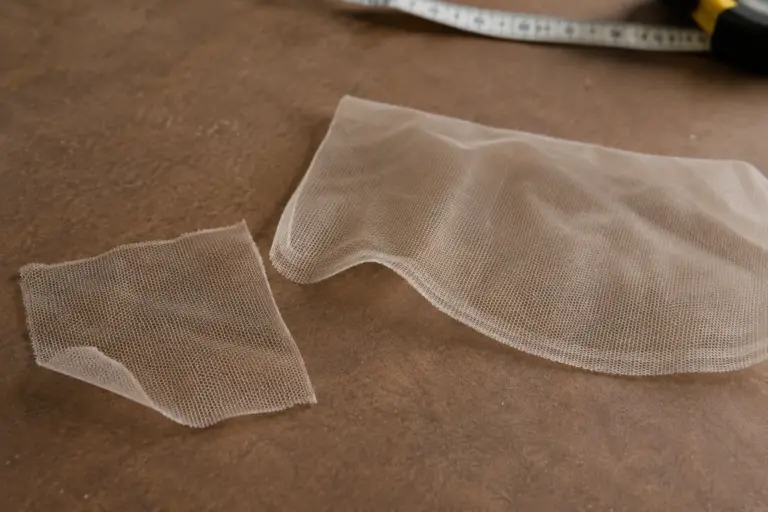
HD lace is a market term usually used for a finer, less visible lace base. Regular lace is not one specific material; sellers may use it for transparent, light-brown, medium-brown or other standard lace options.
That makes the usual question — “Is HD better?” — incomplete. A buyer should compare the actual lace sample, knot work, color match, handling needs and intended use. The lace material and the lace coverage size must also be written as separate specifications.
Quick comparison: what buyers can reasonably expect
| Buying question | HD lace, as commonly sold | “Regular” lace |
|---|---|---|
| Visibility | Often selected for a finer-looking edge and parting | Depends on the actual mesh, color and finish behind the label |
| Handling | Finer lace may require gentler fitting, cleaning and removal | Some standard lace options may tolerate routine handling more easily |
| Color match | Transparency can help, but tint, cap, knots and lighting still affect the result | Available shades may give a closer starting match for some clients |
| Best use | Camera-close work, premium consultations or buyers prioritizing a fine-looking hairline | Daily-wear programs, training, repeated fitting or buyers prioritizing handling tolerance |
| What to verify | Actual sample, mesh visibility, edge, knots, shade and handling instructions | Exact material and shade; regular alone is too vague for a production brief |
This is a buying framework, not a certified industry grade table. There is no single public standard that forces every supplier to use HD or regular in the same way.
What “HD lace” usually means
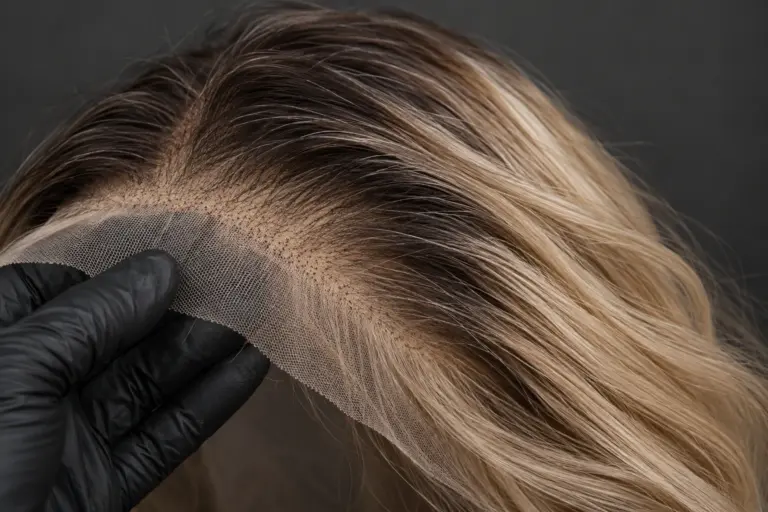
In the wig market, HD generally points to a fine, sheer mesh designed to be less noticeable when the hairline and parting are finished well. The name describes the visual aim more than a regulated material specification.
The result still depends on more than the mesh:
- lace shade against the wearer's skin;
- knot size and knot visibility;
- hairline density and graduation;
- how the lace is fitted, tinted or secured;
- lighting, camera distance and styling;
- the condition of the lace after repeated handling.
Claims such as “invisible on every skin tone” or “never needs tint” are too broad. Ask to see the actual option under ordinary light and against the intended client range.
What sellers mean by “regular lace”
Regular lace is a convenient comparison label, but it does not identify one universal mesh. A seller may mean standard transparent lace, a brown lace shade, Swiss lace of a different fineness, or simply the non-HD option in its own catalog.
A purchase order that says only regular lace leaves room for disagreement. Replace it with the supplier's exact material or shade description and attach the approved close-up.
Industry education may also use terms such as transparent lace, Swiss lace, brown lace and TP lace. These names can overlap across catalogs, and they do not automatically reveal mesh fineness. Ask the business team what each term means in that quotation.
HD lace versus transparent lace
These terms are often treated as if they were opposites, but they can describe different attributes. HD commonly refers to the fineness or low-visibility positioning of a lace. Transparent commonly points to the lace color or visual transparency.
Some sellers combine the ideas in one product name. Others keep them separate. Do not assume equivalence from the title; compare a sample or request a same-light macro before approving production.
Lace material versus lace coverage
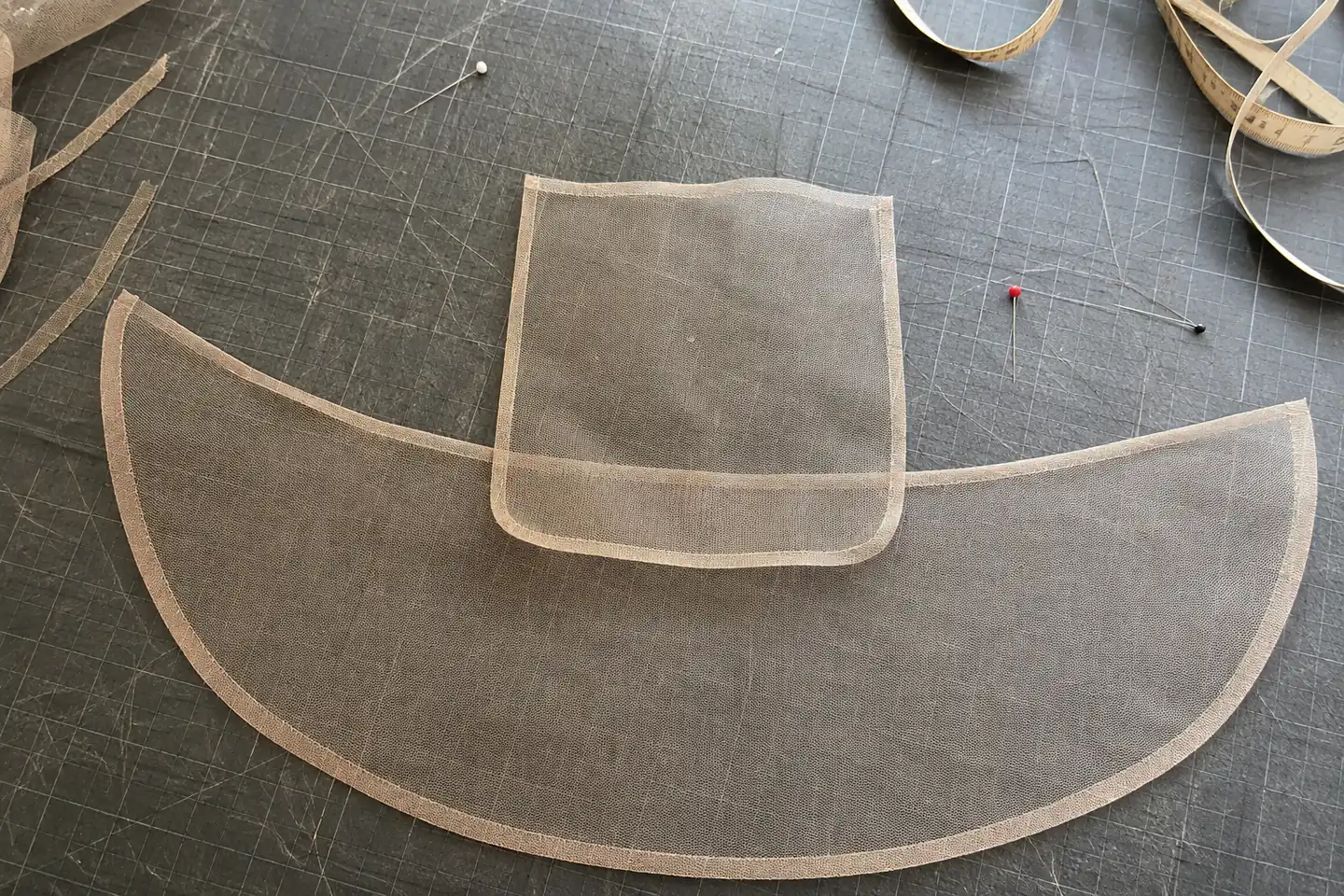
HD, transparent or brown describes the lace option. 5×5, 13×4 or 13×6 describes the approximate area or construction coverage. They are not competing answers to the same question.
| Specification | What it tells the buyer |
|---|---|
| Lace material or market type | Mesh visibility, shade and handling direction to verify |
| 5×5 closure | A localized lace area around the top/parting zone |
| 13×4 frontal | Wider front coverage across the hairline with an approximate four-inch depth |
| 13×6 frontal | Front coverage across the hairline with an approximate six-inch depth; confirm the actual lace shape and parting area |
For a NUSFACE balayage wig, you can choose 5×5, 13×4 or 13×6 lace. Tell us if you need another wig type, lace construction or component so we can confirm the options and price.
What actually affects a natural-looking hairline
Lace choice matters, but it does not work alone. Review the full front construction:
Lace shade and edge
Look at the unedited edge on a relevant skin-tone board or model. Heavy beauty filters and overexposed white backgrounds can hide what a buyer needs to see.
Knots
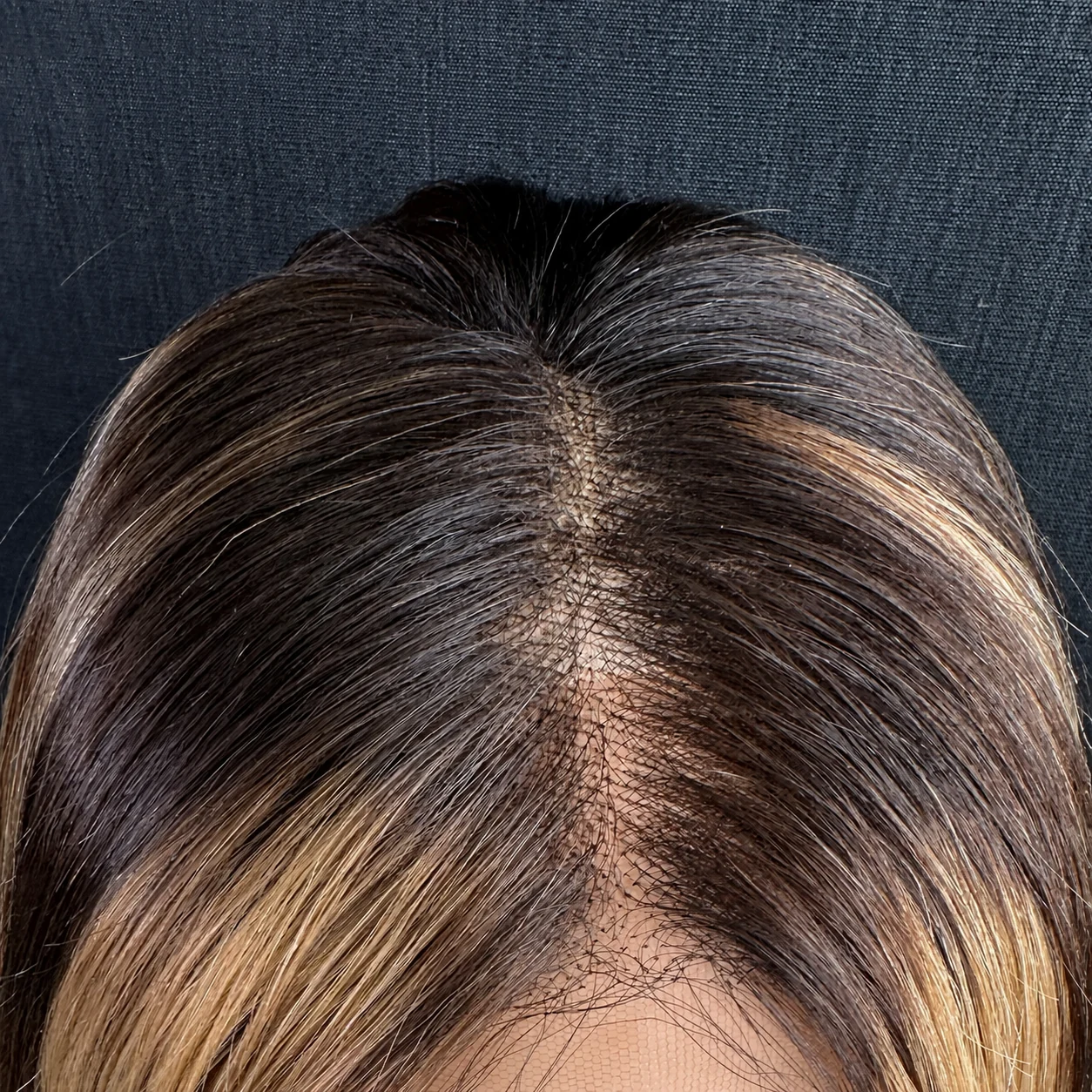
Inspect knot visibility at the parting and front. A product photo taken from a distance cannot show whether the knot finish suits the buyer's positioning.
Pre-plucking and knot bleaching change different details; compare the hairline shape and visible knots separately.
Hairline density
A dense, abrupt line can remain obvious even on fine lace. Ask how the front is graduated and compare it with the approved sample.
Parting and cap underneath
The cap material and what sits behind the lace affect the visible parting. Inspect the finished wig, not an empty lace swatch only.
Fitting and maintenance
Poor tension, rough removal or unsuitable adhesive handling can change the result and shorten the useful condition of the edge. Request care instructions for the exact option.
Which lace should a salon or wig brand choose?
Choose HD when the buyer is prepared to handle a finer lace and the closer-looking hairline supports the intended offer. Choose a clearly defined standard lace when repeated fitting, staff training or handling tolerance is a higher priority.
For a brand carrying several customer profiles, the answer may be two approved configurations rather than one universal winner. A premium photo-ready option and a routine daily-wear option can serve different buyers if both are named and sampled clearly.
Do not decide from the price label alone. Compare the total build, the way customers will use it and the service your business can provide after sale.
How to inspect a lace sample before a larger order
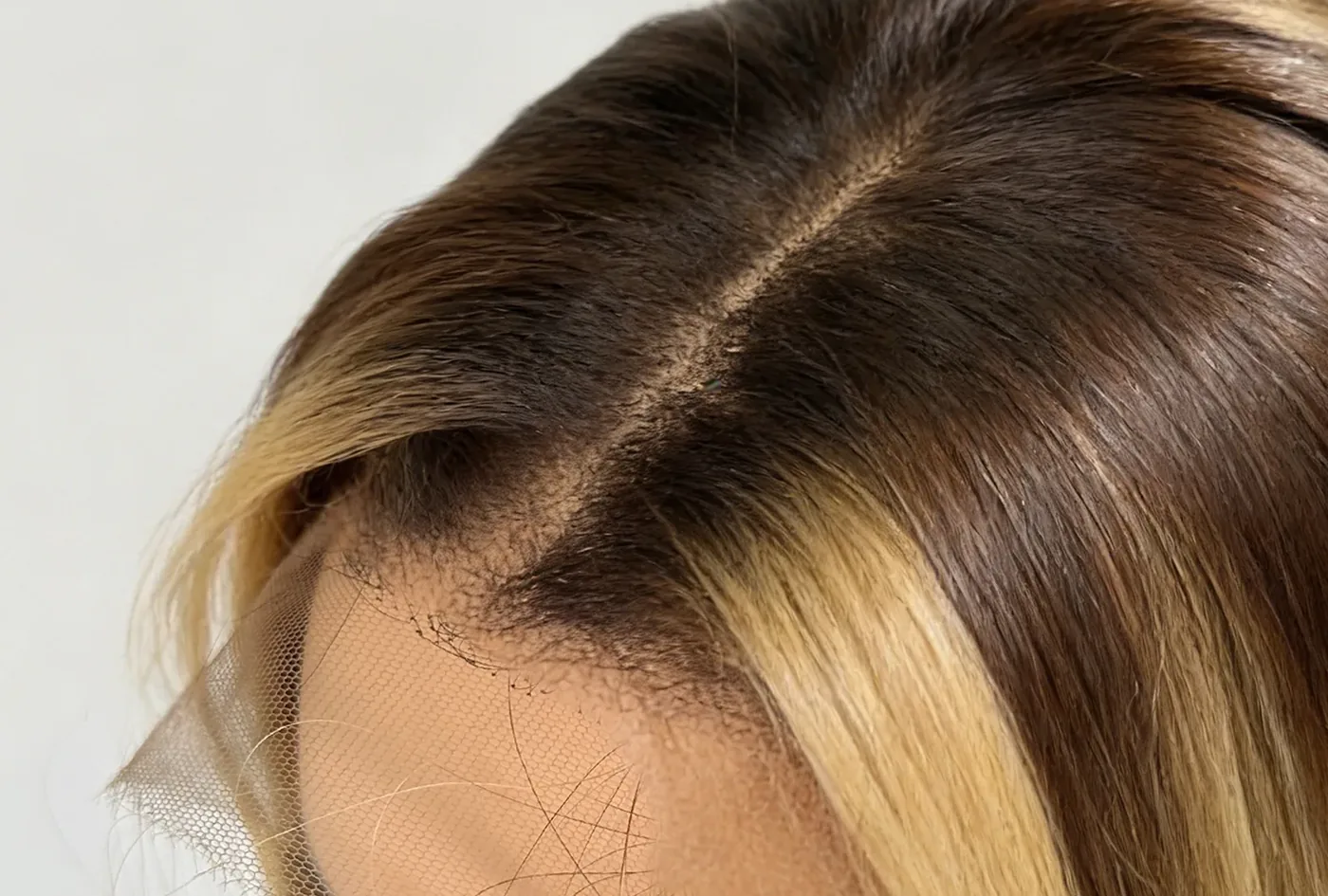
- Ask for the exact lace description, shade and coverage area in writing.
- Photograph the uncut lace edge and parting in daylight and normal indoor light.
- Place it against the intended skin-tone range without a beauty filter.
- Inspect knot size, hairline graduation and parting density.
- Handle the edge gently using the supplier's care instructions; do not stage a destructive pull test.
- Check the cap and lace from the inside as well as the styled front.
- Record any tint, adhesive or fitting method used in the review.
- Save the accepted close-ups with the order brief before approving a reorder.
This can sit beside the broader balayage wig sample inspection guide, which covers color placement and the rest of the finished unit.
Frequently asked buyer questions
Is HD lace always more natural-looking?
It is often chosen for a finer-looking edge, but the finished result also depends on shade, knots, hairline density, cap, fitting and light. Compare the actual sample.
Is HD lace less durable?
Finer lace generally calls for gentler handling, but there is no honest fixed lifespan that applies to every mesh, wearer and care routine. Ask for instructions for the exact material.
Does HD lace work on every skin tone without tinting?
Do not assume that. Test the lace shade and finished edge against the intended client range under ordinary light.
Is 13×4 better than 5×5?
They provide different coverage and styling space. See the 5×5 closure and 13×4 frontal comparison for the parting and hairline differences. The choice depends on the parting, hairline coverage, handling and price brief; neither name identifies the lace material.
Can NUSFACE discuss lace or wig options beyond the featured collection?
Yes. We also offer other human hair wigs and lace options. Send the lace material, coverage and wig style you want, along with a reference photo. We will confirm the details with you.
Specify the lace you expect to receive
Open Custom Service and send the wig type, lace material or visual goal, lace coverage, length, density, color direction, quantity and destination.
Or start on WhatsApp. Ask the team to repeat the approved lace option and coverage in the written quotation.
YOUR NEXT STEP
Get a quote for your color brief.
Send the reference, length, lace, density and quantity. Our team will confirm the details for your custom order.