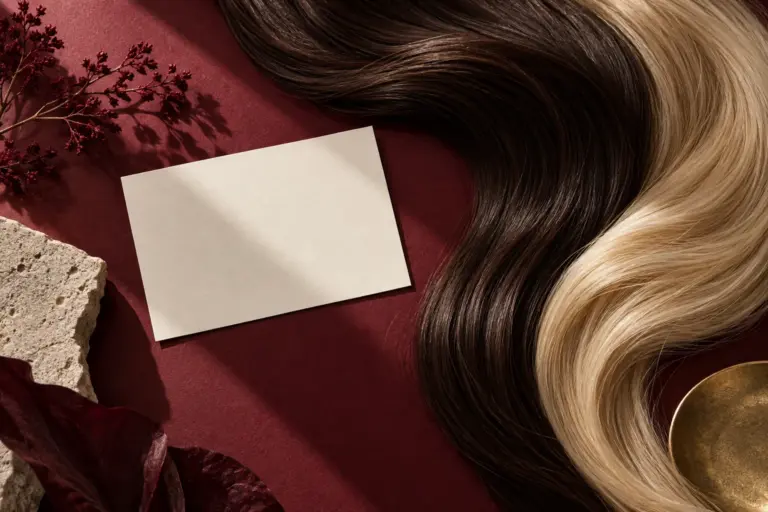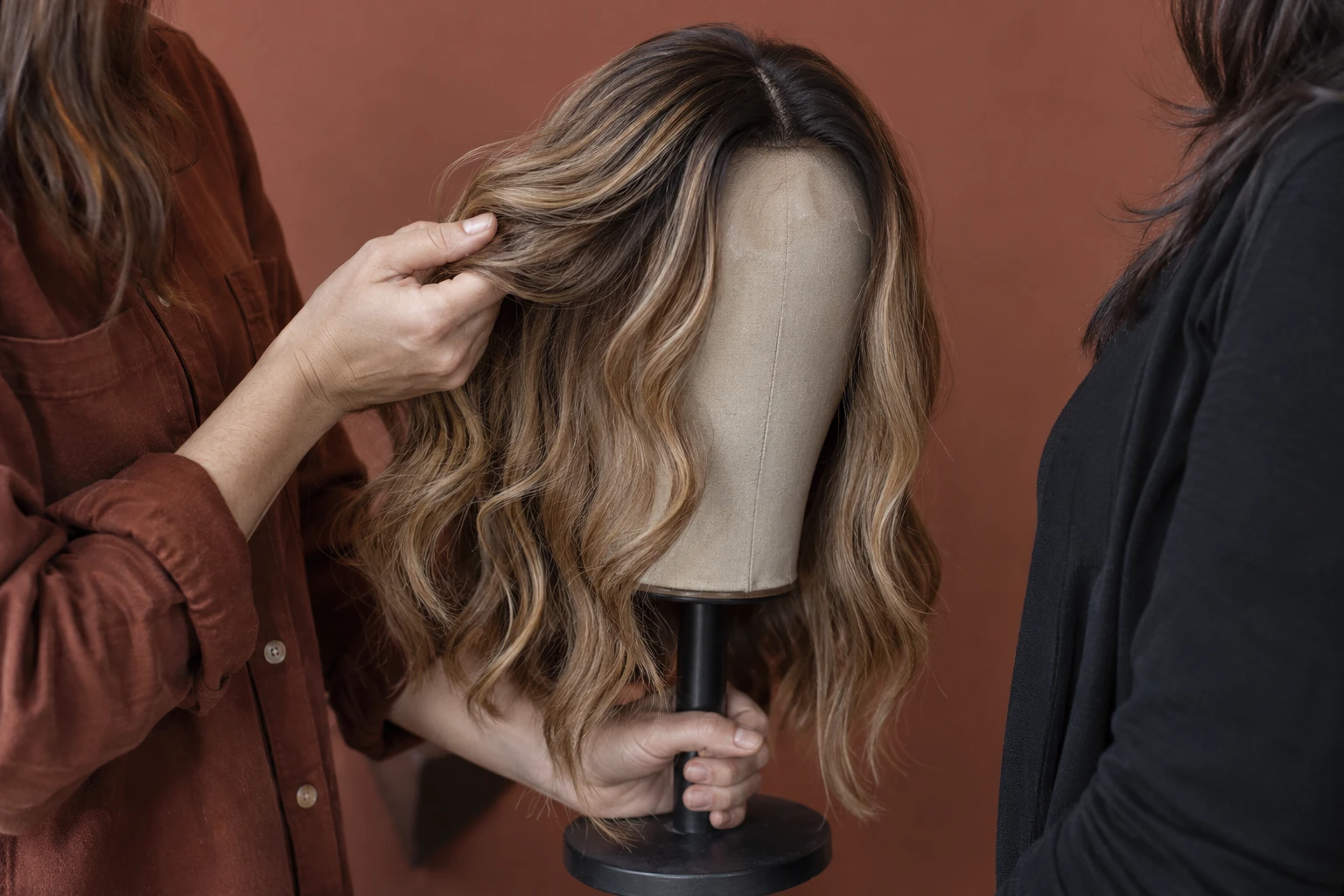
A display sample gives a buyer something a phone photo cannot: a close view of the color placement, hair movement, parting and overall shape. It also creates an easy misunderstanding. The wig in your hands is a reference for a possible order, not automatically the piece the buyer will receive. Before the first presentation, know which features you can show directly, which details belong to the customer’s new order, and how your agency agreement treats the sample itself.
First, separate the sample from sellable stock
The entry-level NUSFACE plan provides 10 different wig samples on loan for showing, try-on and promotion. They remain company property and are not gifts or normal sale stock. Do not cut, color or resell them without authorization, or promise that a buyer can take one home. Other plans may have a different sample selection; confirm the plan and permitted product range before presenting them.
That distinction is useful to the buyer, too. If someone likes the sample, you can discuss an order based on it. A change in length, lace area, density, curl pattern or color placement still needs confirmation. Even an order intended to follow the displayed look needs an agreed specification and quote. A sample is a starting point for a brief, not a universal product code.
Inspect the sample as a sales reference
This is a presentation check, rather than a substitute for a supplier’s production inspection. Your aim is to learn what the buyer can actually see and feel, then avoid turning one sample’s details into promises about every wig.

Start at the parting and hairline. Look at the visible lace, how the hair emerges from the part, and how the roots appear beside the face. Then look at the color from more than one angle. A hand-painted balayage wig may read differently near a window and under warm indoor light; show that difference instead of assigning a precise color name from one photo. Finally, let the buyer see the length and movement from the side and back. These views often answer a more useful question than a straight-on portrait: where does the lighter color begin, and how much of it is visible when the hair moves?
Keep a short note for your own conversation: the sample’s confirmed specifications from NUSFACE, the features you observed in person, and the questions you still need answered. Do not infer an exact fiber grade, lace construction or customization scope from appearance alone. Use the confirmed product information supplied with that sample.
Show the look without promising an exact duplicate
One useful way to introduce the sample is: “This shows the general root depth and where the lighter pieces sit. Which part would you keep or change for your own wig?” That question turns the presentation toward the buyer’s preference. It is more useful than asking whether they like “this color,” because two people can mean different things by the same shade name.
Listen for three kinds of requests:
- Keep: the features the buyer wants to preserve, such as a dark root or waves around the face.
- Change: the requested length, lace area, texture, density or placement of lighter pieces.
- Confirm: details that need a new order brief, a price, a production check or a shipping answer from NUSFACE.
If a buyer sends their own reference photo, compare it with the sample feature by feature. The photograph may show a similar blonde at the ends but a different root depth or face-framing pattern. Send both references and the specific difference to the NUSFACE business team. Our guide to a customer’s first wig inquiry explains how to move from “I like this” to a clear first conversation; this step is about using a physical sample during that conversation.
What if the buyer asks for the sample itself?
Do not improvise an exception. Explain that the displayed piece is used for showing the product and that you will confirm the customer’s own order. If the buyer needs the sample’s exact color direction, record it clearly as a reference and ask the business team what can be matched in the requested configuration. Avoid promising an identical result from an image or an immediate handover from the display.
The same discipline applies when a buyer asks about availability. NUSFACE carries selected standard wig models in stock and also handles orders to an agreed brief. The presence of a display sample does not establish that its exact configuration is currently available to ship. Confirm the requested details and stock or preparation status for that order. The agent order process covers who confirms the brief, collects payment and places the order after this stage.
Keep the sample useful for the next conversation
Record what was shown and any visible change in the sample after a demonstration. Handle and store it according to the agency agreement. Try-on is a display use; it does not establish that any later wear or alteration will pass a return inspection. Ask for the inspection criteria and rules on damage or missing pieces before use. A repeatedly handled sample may no longer look like a fresh order, which is another reason to use it as a reference for the customer.
If you are considering an agency plan, request the written rules on sample use, inspection and the deposit covering the cooperation and display samples. The agency guide explains the entry-level notice, sample return and settlement process; returning a sample does not automatically refund every expense. Tell the team whom you expect to show the wigs to and which color directions matter. Contact NUSFACE about the reseller partner plans, or speak with the business team on WhatsApp.