Before placing a first custom order, look for a manufacturer that can explain how your reference will become a finished wig—and show you the result in a sample. A video visit helps you see the process; the sample shows how the team interpreted your color and construction request. Keep the accepted result with the order details so the next order has a clear starting point.
NUSFACE has served more than 20,000 salons and online sellers worldwide. You can start with one paid piece rather than committing to a bulk order, and request a video factory visit to discuss the work relevant to your design.
Give the factory visit a purpose
Before arranging a video visit, choose the part of your order you most need to understand. If your concern is color placement, ask to see how a reference reaches the people doing the hand-painting. If it is construction, ask where the lace and cap requirements are checked.
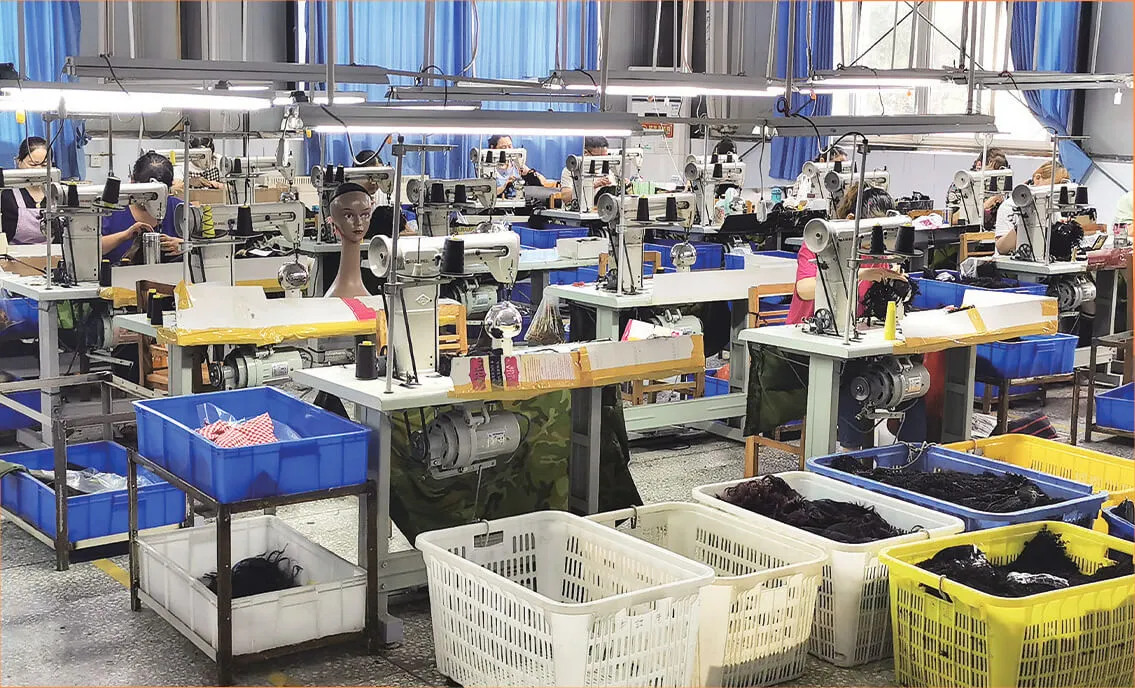
During the conversation, follow one process from instruction to inspection. A useful question is: “If I change the brightness around the face but keep the back darker, how does that change reach production?” The answer should explain who receives the instruction and which reference they use. A room full of finished wigs does not answer that question.
Ask which stages the company performs itself and how it manages any work performed elsewhere. If an order passes between locations or teams, find out who remains responsible for your specifications and final acceptance. A clear explanation is more useful than assuming every operation happens in the room shown on camera.
NUSFACE buyers can request a video factory visit through the business team. Visits are arranged with the team, so mention the process you want to discuss when requesting one.
Make “quality control” specific to your order
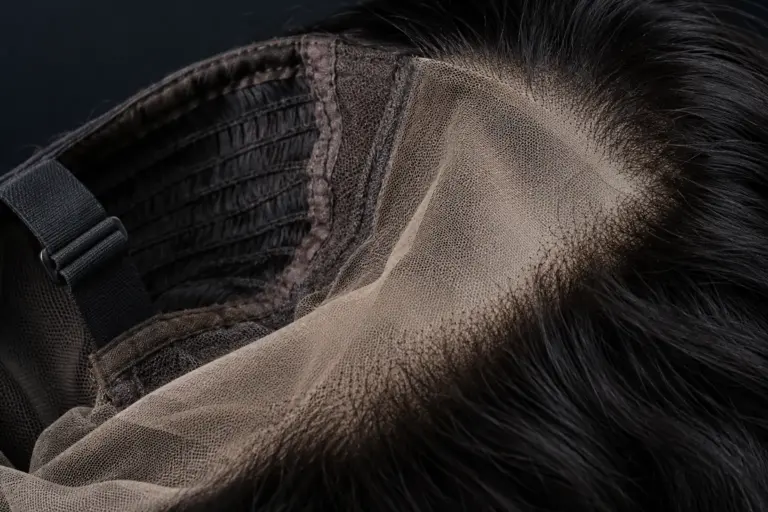
A count of inspections needs context. For a custom wig, hair material, cap construction and color placement are separate decisions. Checking the packaging cannot establish whether the root transition matches the agreed design.
NUSFACE’s seven inspection stages are Hair Grade, Base Build, Tone Map, Hand Paint, Color Check, Lace & Knots and Final Pack. Use those stages to ask focused questions:
| Your concern | Relevant stage | What to ask |
|---|---|---|
| The requested hair material and construction | Hair Grade and Base Build | Which agreed specifications will be checked for this order? |
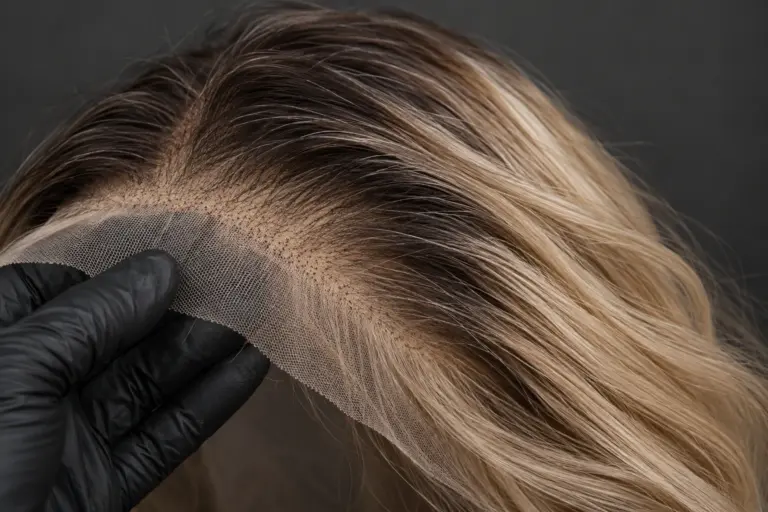
| Where the lighter color begins | Tone Map and Hand Paint | Which reference identifies the root depth and highlight placement? |
| The finished color | Color Check | How will the completed result be compared with the agreed direction? |
| The lace and visible knot work | Lace & Knots | Which views or details can be reviewed before dispatch? |
| Receiving the correct finished unit | Final Pack | How will the packed piece be connected to the order details? |
For example, “we check every wig” does not tell you how your requested front highlight will be reviewed. A useful answer identifies the agreed front-view reference and the section to be compared. If the answer mentions only the final color name, ask how placement will be checked.
Use the sample to test an instruction
A sample order is most useful when it answers a decision you cannot settle from the catalogue. For example, request a defined change to a finished reference: less brightness beside the face, with the darker background retained through the back. Keep the agreed change with the sample order.
When it arrives, compare the result with that instruction. You can then distinguish liking a photograph from understanding how the supplier interprets your request. Our balayage sample checks cover the physical review of roots, ribbons, tone and construction.
One accepted sample establishes a reference for that piece. It does not establish that every later quantity, color or construction will produce the same result. Before increasing the order, discuss what changes and how the next delivery will be compared.
Check what survives into the reorder
Ask how your accepted version will be identified when you order again. Can the team connect the final color photographs, construction details and accepted changes to the same reference? If an earlier version remains in the message thread, make clear which version replaced it.
Agree what reference each side will retain. Keep your own copy of the specifications and acceptance photographs; do not rely on a salesperson remembering a conversation. The approved-sample reorder record explains what to preserve when the first order becomes a repeat order.
Before paying for the next step, you should be able to describe what is being made, what evidence you will review and who will handle questions about the finished result. If one of those answers is missing, resolve that gap while the order is still being defined.