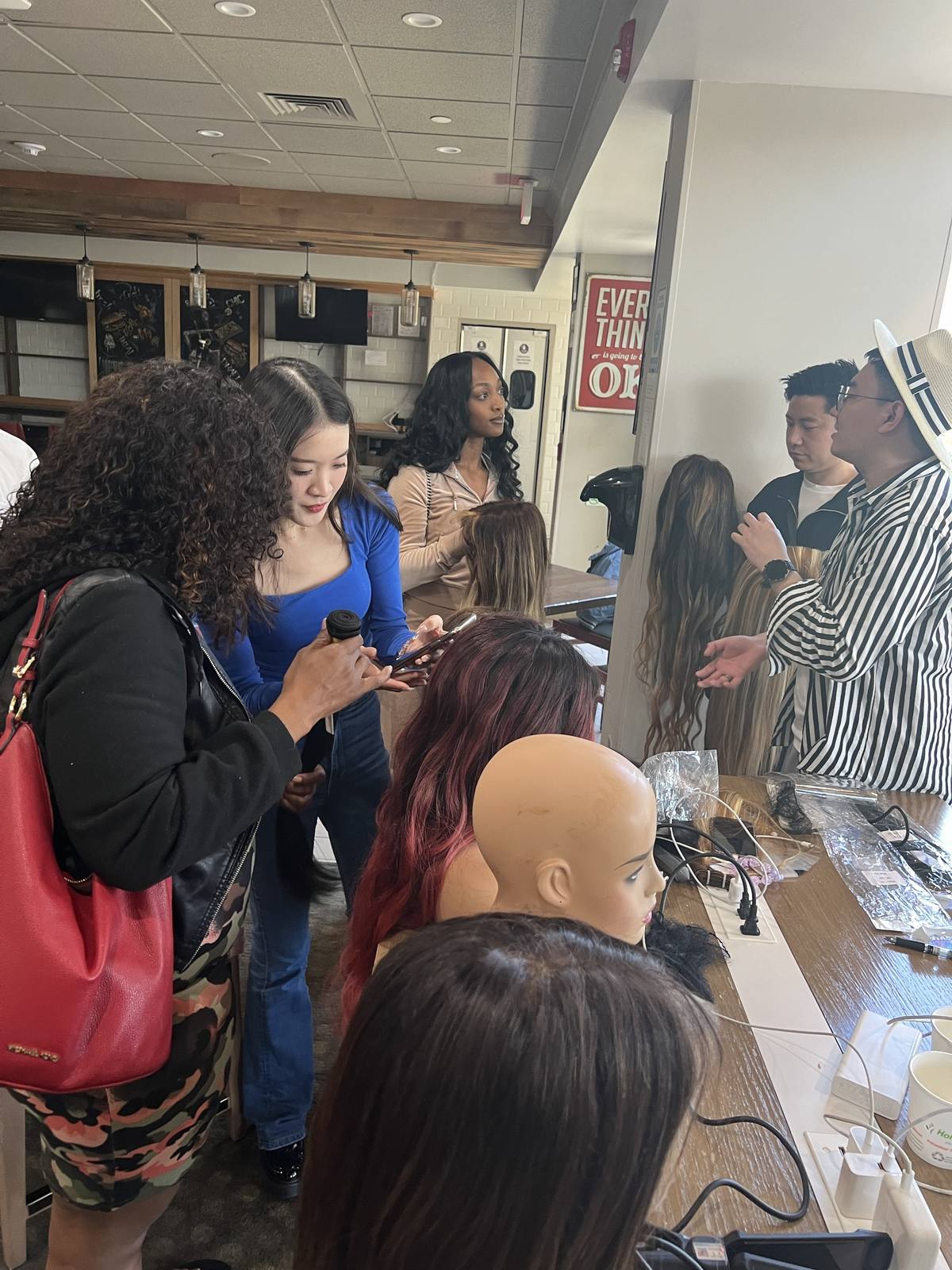
You can start selling wigs without knowing how to make one. What you do need is a way to reach buyers, listen to what they want and follow up when they have a question. Hair experience helps, but it is not the only way to earn that trust.
A makeup artist may already hear clients talk about their hair for an event. A creator may have an audience that asks where a particular color came from. An online seller may know how to present a product and answer messages, even if they have never fitted a lace wig. Before choosing a supplier, ask who would come to you with a hair question and what part of the sale you want to own.
Start with the people who already talk to you
Hair stylists and wig installers are the most obvious fit. They see where a customer wants more volume, a different color or an easier styling routine. They can also spot a gap between the reference photo and what the customer is actually asking for. An installer does not need to manufacture the wig to help a customer choose the right direction; they do need to be clear about which fitting or styling services they themselves provide.
Other beauty professionals have a different starting point. A makeup artist may work with brides or performers who are planning a full look. Nail artists and lash technicians often build repeat conversations with clients, though that does not mean every client wants a wig. If hair comes up naturally, they can ask what the person likes and show a relevant product reference. Before offering a wig for sale, they should check the color direction and construction with NUSFACE rather than promise a match from one photo.
Online, the first conversation may begin under a photo. Creators and influencers may be good at showing how a color looks in daylight and explaining what they would change. Community owners and social sellers may already be trusted for recommendations in a small group. An audience is useful only when people actually ask questions and receive honest answers; follower count alone does not tell you whether anyone will buy.
E-commerce sellers bring another skill: product pages, inquiries and order follow-through. If you want to set your own price and collect payment through your store, you are taking responsibility for the offer you make to your customer. You will need to know the quoted specification, delivery arrangement and what happens if the customer raises a concern. As an agent, you stay responsible for that customer relationship while NUSFACE supports the agreed product and fulfillment work.
Multilingual sellers may help customers discuss product details in the language they understand best. That can make a first conversation easier, but it does not replace a clear product brief or an agreed order process. The useful skill is explaining and following up with real customers; language ability alone does not establish a sales channel.
For a college student, parent or first-time side-hustle seller, the starting point is often smaller: a few real conversations, not a shopfront and a large product catalog. If nobody currently asks you about hair, you will have to build that audience. Having spare time is useful for doing the work, but it is not demand on its own.
Read the response before treating it as buying interest. “Beautiful color” may be appreciation; “Could I wear this every day?” opens a conversation about personal use. Ask whether the person is considering a wig for themselves, buying for a salon or exploring a resale business. Those are different conversations.
Keep each person’s comments and messages together. Record the use or look they mentioned, any budget they volunteered and the next question they agreed to discuss; several messages from one person are not several buyers. Then offer a step you can actually arrange. If you do not have a sample, ask whether seeing one would help rather than promise a try-on. If no one wants to continue a relevant conversation, work on those customer connections before committing to a plan.
Decide what kind of wig selling work you can own
NUSFACE currently invites selling partners through an agency arrangement. You find and serve your customers, set your own retail price, collect payment, then place the corresponding order with NUSFACE at the confirmed supply price. The nonexclusive entry-level plan provides borrowed display samples, online product training, one-to-one sales guidance and authorized brand materials, alongside agreed supply and direct dispatch support. The agency fee includes the cost of the display samples; its refund follows the agreement’s return-inspection and settlement conditions. The samples are for showing customers, not normal sale stock. Our agency guide explains those commitments; review the written terms for the plan you choose.
A salon, wig store or brand can also buy from NUSFACE as a traditional B2B customer. NUSFACE accepts orders from one piece, which lets a buyer inspect a paid unit before deciding on a larger range. That purchase relationship has its own quote and fulfillment terms; do not assume it includes the agency samples, training or direct dispatch arrangement. Decide which relationship fits the customers you serve before describing your offer.
You do not have to decide from a label such as “creator” or “reseller”; decide from the customer relationship and work you actually want to manage.
Learn enough to make a useful first conversation
You do not need to memorize every lace size before talking to someone about a wig. Start with what the person can describe: the color they want around the face, whether the roots should stay darker, the length and shape they have in mind, and a photo that shows the direction. Do not tell them a reference image is an exact color guarantee. Lighting, hair texture and where the lighter sections sit all affect the result.
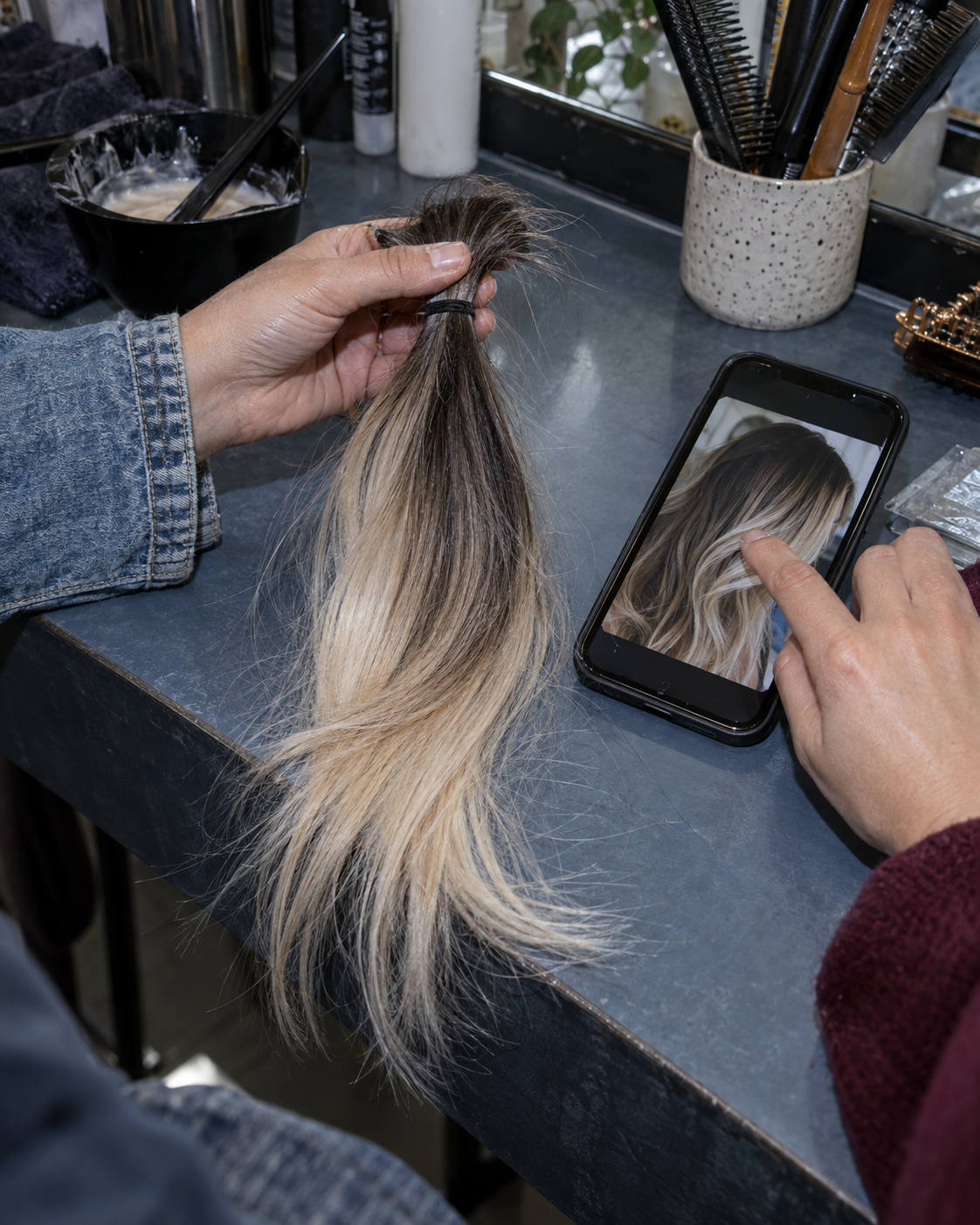
A customer might send a photo and say, “I like the blonde, but could the roots stay darker?” That is enough to begin a useful color conversation. NUSFACE can discuss the placement of lighter and darker sections, construction and other requirements for a specific order. The looks on our site are starting points, not a closed menu. Our color placement article shows why two wigs using similar shades can look quite different.
If you sell as an agent, bring that first clear description to the NUSFACE team and confirm the product before quoting your customer. You still own the sale and should check the quoted product against what you promised. Say “I need to confirm that” when a detail is uncertain. It is a better start than guessing about the hair, price or delivery.
If you have customers in mind, tell us how you reach them and whether you want to discuss an agency plan or a traditional B2B order. For an agency arrangement, review the agency fee, display-sample use, return-inspection and settlement terms, and the support and fulfillment scope before committing.