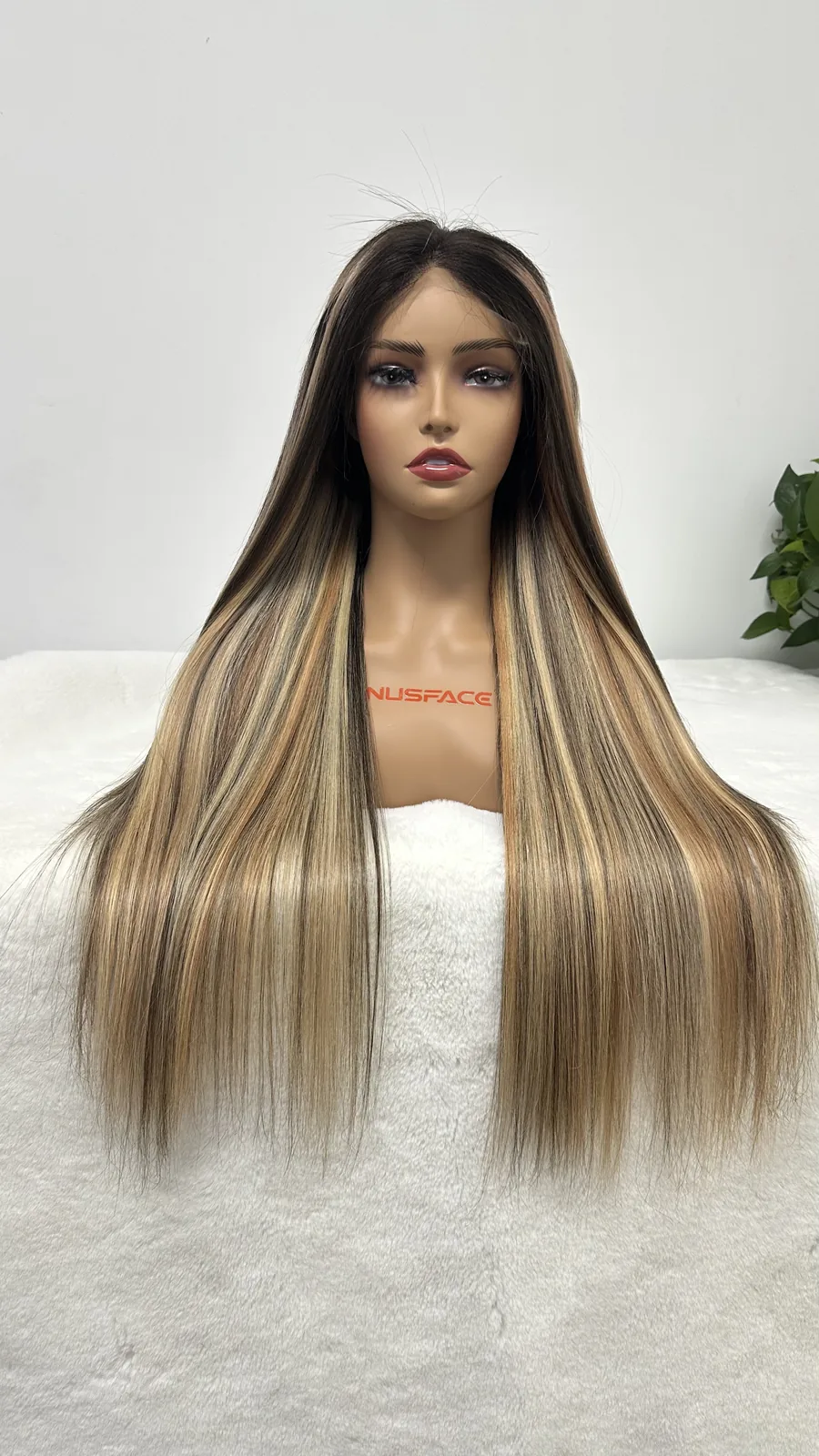
Human hair and synthetic wigs suit different routines. A customer who wants to change the finish with styling tools may value human hair. Someone who wants to keep a supplied cut or curl with less restyling may prefer conventional synthetic hair. Heat-friendly synthetic is another option, with its own styling and maintenance requirements. For a salon or wig business, the useful comparison is what the customer will do with the piece after taking it home.
A photograph can start that conversation. It cannot establish the fiber, its heat limits or how the pictured finish will behave after washing. Confirm the material before attaching those promises to an offer.
What happens after the first wash?
Conventional synthetic fiber is generally designed to retain its supplied style. That style memory can be useful for someone who likes a particular shape and wants to return to it after washing. It does not make every synthetic wig maintenance-free: the piece still needs the products, handling and drying method specified for it.
Human hair offers more scope to restyle, but the finished hairstyle can need work after washing. A smooth salon finish or a set of waves in a product photograph should not be sold as something that will automatically return unchanged. The hair’s texture, previous processing and the way it was styled all matter.
Consider a customer who likes a waved human hair wig but does not want to arrange any styling after a wash. Before discussing lace or length, explain that part of the routine. If the customer is comfortable learning it or booking a service, the offer may fit. If they mainly want a fixed shape with little restyling, a suitable synthetic option deserves consideration. Their preference gives you a more useful starting point than a general claim that one fiber is best.
Our human hair wig care guide covers the routine once a customer has chosen a balayage human hair piece.
Heat-friendly synthetic needs a separate conversation
A synthetic wig labelled heat-friendly can allow changes that a conventional synthetic piece does not. Read the instructions for the actual product before describing which tools or methods the customer can use. A temperature mentioned for one fiber is not a safe setting for every wig carrying a similar label.
Heat-friendly also does not mean less maintenance in every case. Some manufacturers prescribe specific detangling and heat-smoothing routines for their fibers. A customer interested in using a curling iron occasionally still needs to understand the work involved in keeping that particular piece in condition.
Keep conventional synthetic, heat-friendly synthetic and human hair distinct in your description. If a product contains a blend, use its confirmed material description and care instructions rather than treating it as wholly human hair. Breastcancer.org’s fiber overview describes these different categories and their practical trade-offs.
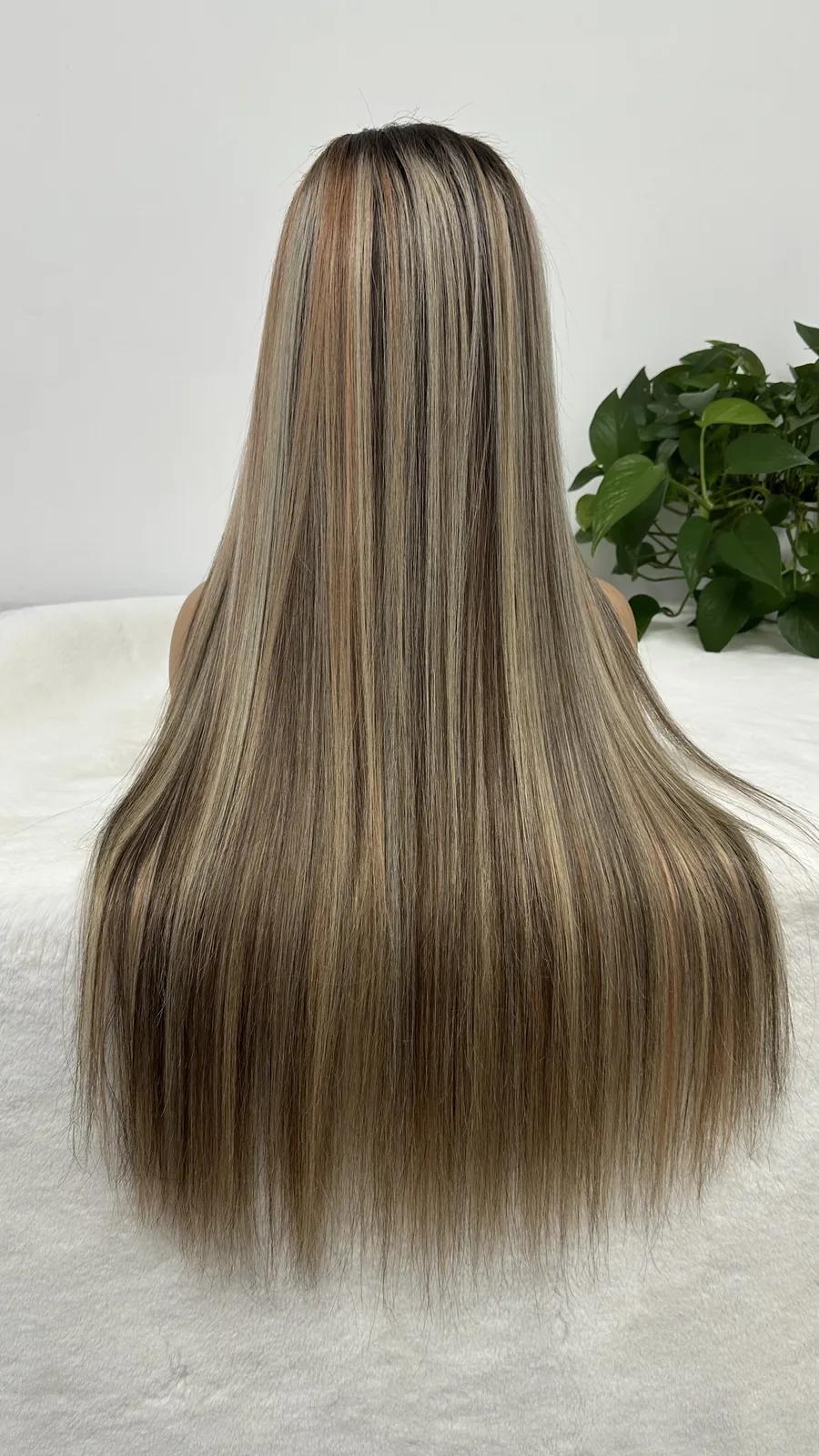
For human hair, styling flexibility has limits too. In a color-treated human hair wig, blonde sections have already undergone color work. Whether it can be recolored or lightened again depends on its treatment history and condition. Our recoloring guide explains what to establish before offering that service.
Compare the finished offer, including the care
Human hair often carries a higher purchase price, but fiber alone cannot explain two quotations. Length, construction, coloring and included services also affect what is being offered. Compare the actual pieces and their scope before deciding which fits a buyer’s budget.
For a salon, a human hair offer may include a separately agreed cut, styling appointment or care demonstration. Make clear what the quoted offer includes and what the customer would arrange later. A synthetic offer may involve less restyling while still requiring suitable care products and attention to wear. Describe that routine with the same care you give the initial look.
Avoid promising a fixed lifespan from the fiber label. Wear, friction, heat, chemical treatment and care can change the result. Nor does a human hair label settle the meaning of raw, virgin or Remy; our hair-material labels article addresses those separate questions.
Choose a sample for the offer you intend to sell
Before buying more units, handle a sample of the specific product you are considering. Check its written material description, feel, finished style and supplied care directions. If you want to assess behavior after washing or restyling, agree that evaluation and its effect on return eligibility before altering the piece.
NUSFACE supplies human hair wigs, including hand-painted balayage references and other styles, with orders available from one piece. If human hair fits your customer’s routine, discuss a sample or sourcing request with the look, intended use and styling or care questions you need resolved. You can also contact the team on WhatsApp. The configuration, included work, price and timing are confirmed for your order.