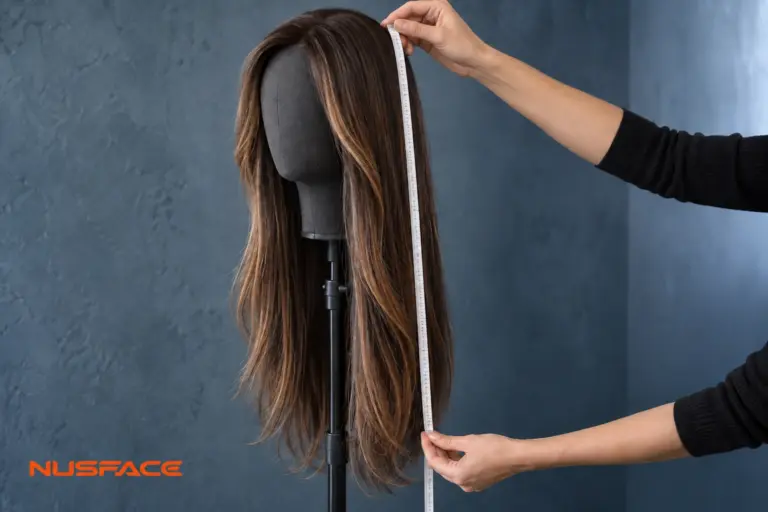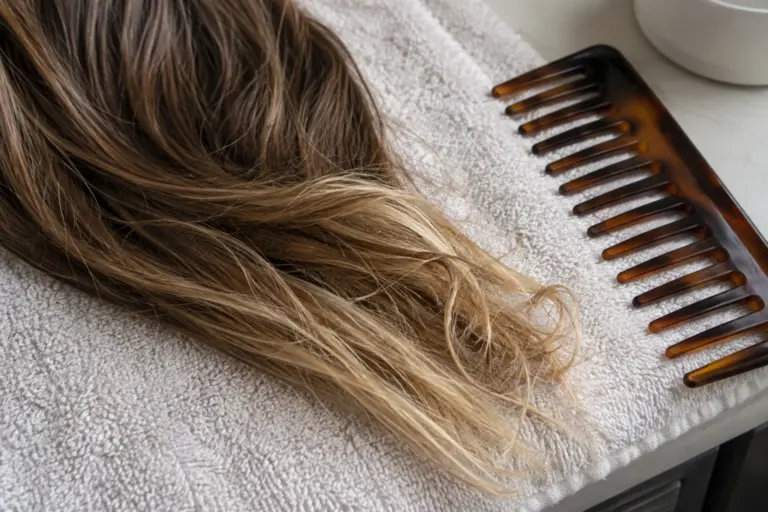
A balayage human hair wig may be suitable for some color changes, but that needs to be confirmed for the individual piece. Before booking a service, check its previous processing, current condition and the result you want with the supplier and a colorist experienced in human hair wigs. A finished blonde section has already been through a color process; its appearance alone cannot tell you how much further processing it can tolerate.
For salons and wig sellers, the useful first step is to gather those details before promising a customer a new shade. Changing the warmth of the ends, darkening the whole wig and making the highlights lighter are different requests. They should not be quoted as the same service.
In this article
Start with the wig’s treatment history
Find the original order reference, color brief and photographs from delivery. Ask the supplier what is known about the coloring and other processing of that particular piece. A material description such as human hair does not establish whether a finished wig can safely be lightened again.
Before adding another chemical treatment, send the supplier the order details, current photographs and a record of any coloring already done. Ask whether the proposed change is suitable for that particular piece. An unconfirmed processing history is a reason to pause rather than assume that a human-hair label makes recoloring safe.
Add anything done after delivery: salon color, toner, color-depositing products, bleaching, straightening or other chemical services. Record product names when available. If the customer only remembers a “color refresh,” ask for the salon record or a photograph of the product rather than assigning a process to that description.
Missing information should stay marked as unknown. A colorist needs to know where the history stops before deciding whether an assessment or test is worthwhile.
Keep the cap construction in the conversation, too. Ask whether the lace, knots or other parts of the base impose restrictions on the proposed service. Advice for coloring growing hair does not automatically cover a finished wig and its attachment points.
Describe what should change—and what should stay
“I want it more blonde” leaves several decisions open. Does the customer want a cooler tone at the existing brightness, a brighter face frame, less dark root or lighter ends throughout? Ask them to identify the area they want changed on a current photograph.
Send a target image alongside it, with a short written description. For example: “Keep the dark root and the current highlight placement; reduce the warm appearance through the lighter lengths.” This describes a goal for assessment, not a promised result.
 View larger image
Take current photographs in clear, consistent light without beauty filters. Include the front, back and a close view of the lighter lengths. Our custom color brief article explains how to turn a reference image into separate decisions about roots, placement and tone.
A saved color number can help identify a reference, but do not use it as a guarantee across brands, screens or previously processed hair. Agree on the visible result being assessed. Ask the colorist whether keeping the existing balayage contrast is realistic if the customer also wants an overall darker finish.
What a strand test needs to establish
A strand test lets the professional assess a proposed process on a limited section before committing the whole wig. Discuss it only after the supplier has confirmed whether further color work is appropriate. A test does not override a manufacturer’s restriction on coloring that product.
Ask the colorist how the test section will be selected. Balayage includes areas with different starting colors, so a result from one darker section may not answer what will happen to the lightest ends. The professional should decide whether the areas being considered need separate assessment.
The review needs to cover more than the shade. Wella’s professional color education workbook recommends strand testing, particularly for previously processed hair, and checking both color and hair condition. This is a general assessment principle, not a set of wig-coloring instructions. Ask the colorist to assess the finished test section’s condition and handling; a pleasing color is not enough reason to proceed if it becomes fragile, breaks or handles markedly worse.
Keep a photograph and a record of the test for the salon file. Ask what it establishes, what remains uncertain and whether the proposed full service has changed. A small section cannot guarantee an identical result across the whole wig or predict every later wash and styling session.
Leave the product choice, preparation, mixing and application instructions to the professional and the relevant product guidance. A general blog recipe cannot account for the treatment history of the piece in front of them.
When to pause the color appointment
If the wig is already breaking, feels unusually fragile or has persistent tangling, arrange a condition review before trying to correct its color. Recoloring should not become the first response to a problem whose cause is still unclear. Our balayage wig tangling article explains which observations and photographs help with that discussion.
Pause when the supplier advises against the service, when the processing history leaves the colorist unable to assess it, or when the test does not support the intended result. Ask whether retaining the current color or ordering a new piece closer to the target would better meet the customer’s needs.
Avoid promising that a darker shade will make a weak section sound again, or that a treatment will make further bleaching suitable. Those conclusions require an assessment of the actual hair.
What to send NUSFACE before arranging recoloring
For a NUSFACE order, contact our business team on WhatsApp with the following details:
- The order reference and the specific wig you want reviewed.
- Current whole-wig photographs and close views of the areas to be changed.
- Your target photograph, plus what you want to keep from the existing color.
- Known color or chemical services since delivery, with product information where available.
- Any current tangling, breakage or other change in condition.
- The colorist’s proposed service and any questions about suitability.
Send this information before starting a treatment. If the piece has already been recolored, explain what was done and share the current result so the discussion starts from its present condition.
Keep the aftercare note with the salon record
If a professional proceeds with a suitable service, retain the final photographs and treatment record with the wig’s order details. Give the customer the care instructions appropriate to the finished piece, including the recommended products and any restrictions the colorist or supplier identifies.
The balayage human hair wig care guide covers the wider washing, detangling and storage routine. Keep the new color-service record available for the next appointment; the person assessing the wig then will need to know what has changed since it left the supplier.