Two quotes can both say “private-label wig” while describing different orders. One may cover a custom wig in plain packaging. Another may add a sewn-in label and a printed box. Comparing their unit prices without comparing those deliverables leaves a gap in the buying decision.
The useful question is what the customer will receive under your brand. The wig specification, label, inner packaging, customer box and printed inserts are separate parts of that answer. A custom colour does not automatically include all the brand work.
Separate the wig specification from the presentation
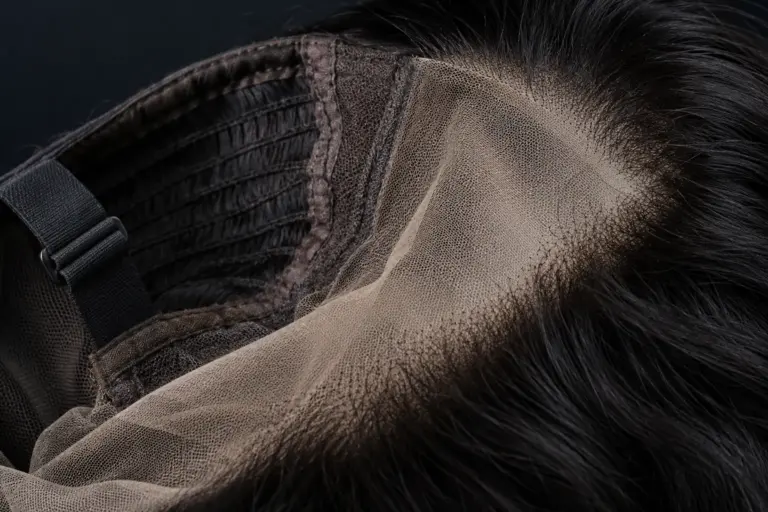
First compare the product itself: hair, colour direction, length, texture and lace construction. A logo on the box does not make two different wig configurations equivalent. If the product scope is different, the branding comparison cannot explain the price difference on its own.
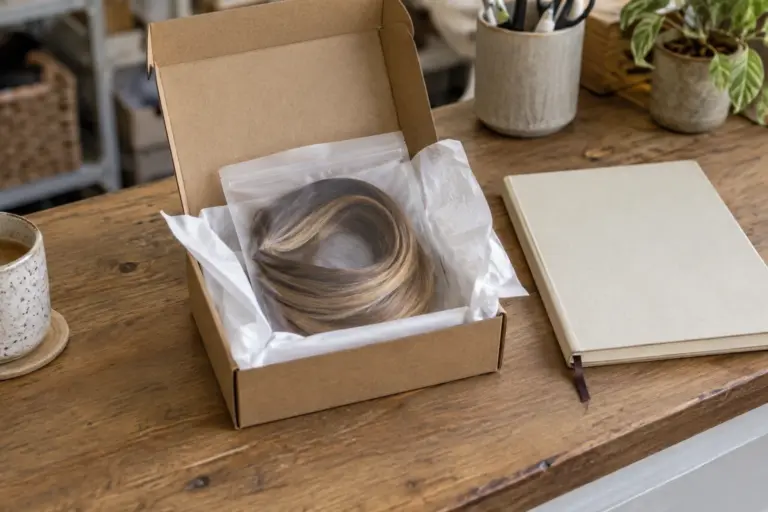
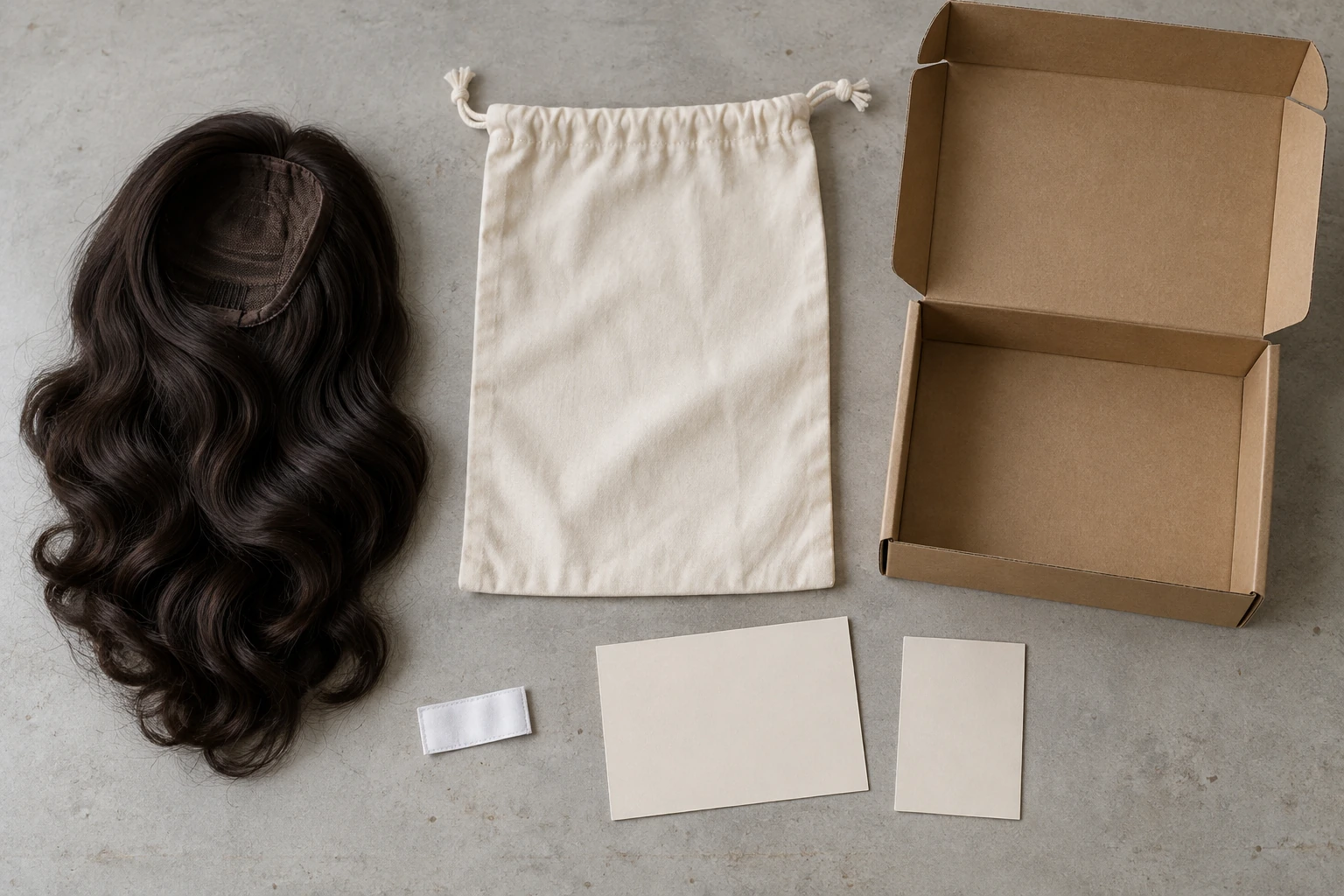
Then describe the brand treatment. A sewn-in label identifies the wig itself. A fabric bag or inner wrap concerns how it is packed. A printed outer box presents it to the customer, while an insert carries information inside the package. You may want one of these, several, or none. State which ones you want priced rather than relying on “under my brand.”
The shipping carton is another distinction. A protective carton used for dispatch is not automatically the retail box you expect a customer to open. If the unboxing presentation matters to your business, specify the customer-facing package as well as the shipping protection.
Compare the same set of deliverables
For example, a buyer could request: “Quote the custom wig in plain inner packaging. Separately quote a sewn-in label and a printed customer box, if you can supply them.” This is a request for a defined scope, not a claim that a supplier offers every option.
If one supplier confirms the label and another only confirms a logo on the box, the offers still differ. Keep that distinction beside the totals. It explains why a lower quote might involve less work, without assuming anything about product quality or the supplier’s pricing.
Check whether brand components are priced per wig, per printed item or as a separate setup charge. A label or box may have its own minimum quantity even when the wig can be ordered singly. Ask how unused components will be handled if you order fewer wigs than packaging items. Do not assume the product MOQ also applies to printing and packaging.
Approve the actual brand treatment
A digital logo mockup can help you discuss size and position. It cannot show how the final material feels, how the printing looks on that material, or how the assembled package holds the wig.
Where a supplier can provide a physical proof or sample, review the actual item: the logo artwork and placement, the label or packaging material, and whether the package fits the product as intended. Keep the accepted version with the order. If only a digital proof is available, understand that limitation before approving production.
Changes after approval can require new artwork, components or setup. Confirm the effect on price and timing before treating the revision as part of the original quote. The same applies if you remove branding later: the product and packaging costs need to be separated clearly enough to explain the new scope.
Apply this distinction to a NUSFACE inquiry
NUSFACE offers custom wig configurations. For a standard B2B inquiry, ask the team to confirm which label or packaging options they can supply for your order. Describe the product and the presentation separately, and obtain the supported scope and terms in writing before offering that result to your customers.
The available styles versus custom builds article covers the product choice. You can contact the NUSFACE business team to discuss the particular wig and brand treatment you have in mind.
A useful private-label quote tells you which work is included and how it will be approved. That makes the total price comparable and the expected delivery easier to understand.